
.jpeg)
The poor efficacy of crizotinib
When the efficacy of crizotinib is poor, the most direct manifestation is that the patient's condition has not been significantly improved. This includes, but is not limited to, the persistence or worsening of symptoms such as cough, sputum production, and wheezing. Although the patient has taken crizotinib as prescribed by the doctor, if it is found that the condition has not improved during the review, or even the primary tumor has not shrunk or the metastases have not been reduced, this may indicate that the drug is not effective.
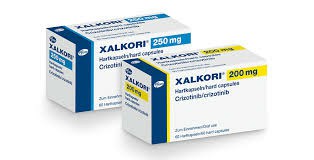
If the patient's condition worsens while taking crizotinib, it is also an important sign of poor efficacy. Exacerbation may include the growth of primary lesions, the emergence of new metastatic lesions, increases in tumor markers, and worsening of symptoms. For example, patients may experience symptoms such as massive hemoptysis, difficulty breathing, and stridor, which may be signs of worsening conditions. In addition, if the tumor spreads within the cavity or develops distant metastasis, it also indicates that crizotinib failed to effectively control the disease.
In addition to the failure to improve and worsen the condition, poor efficacy of crizotinib may also be manifested in patients experiencing significant adverse drug reactions. These adverse reactions may include gastrointestinal symptoms such as nausea, vomiting, diarrhea, and constipation, as well as skin allergic reactions such as skin itching, rash, and urticaria. In addition, there are some more serious adverse reactions, such as bradycardia, visual impairment, interstitial pneumonia, etc. These adverse reactions will not only affect the patient's quality of life, but may also cause the patient to be unable to continue to tolerate crizotinib treatment.
During the actual treatment process, doctors should pay close attention to the changes in the patient's condition and adjust the medication strategy in a timely manner to ensure that the patient can obtain the best treatment effect. At the same time, patients should also actively cooperate with the doctor's treatment recommendations and promptly report any discomfort or abnormal reactions so that the doctor can make accurate judgments and handle them accordingly.
[ 免责声明 ] 本页面内容来自公开渠道(如FDA官网、Drugs官网、原研药厂官网等),仅供持有医疗专业资质的人员用于医学药学研究参考,不构成任何治疗建议或药品推荐。所涉药品可能未在中国大陆获批上市,不适用于中国境内销售和使用。如需治疗,请咨询正规医疗机构。本站不提供药品销售或代购服务。


