
.jpeg)
Crizotinib (crizotinib): uses, mechanism, medication methods, side effects, interactions, etc.
Crizotinib is a drug used to treat certain types of lung cancer and lymphoma. It applies to the following situations:
1.Metastatic non-small cell lung cancer (NSCLC): For patients with metastatic non-small cell lung cancer, if their tumors express anaplastic lymphoma kinase (
2.Relapsed or refractory systemic anaplastic large cell lymphoma (ALCL): Crizotinib can also be used1< Treatment of ALK-positive relapsed or refractory ALCL in children and young adults years of age and older.
3.Unresectable, recurrent or refractory inflammatory myofibroblastic tumor (IMT): Crizotinib is suitable for1 Adult and pediatric patients pan>years of age and older with ALK-positive unresectable, recurrent, or refractory IMT.
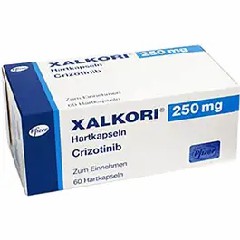
The mechanism of action of crizotinib is by blocking the action of receptor tyrosine kinases (RTKs). These receptors include ALK, hepatocyte growth factor receptor (HGFR, c-Met), HGFR span>ROS1 (c-ROS) and receptor d‘origine Nantais(RON). RTKs are an important part of the signaling pathways for intercellular communication. When these receptors are defective, it results in increased proliferation and survival of tumor cells that express these proteins. Laboratory studies have shown that crizotinib can induce ALCL containing nucleophosmin ALK or c-MetCell lines undergo cell death and tumor regression.
The usage and dosage of the drug vary according to different disease conditions. For metastatic non-small cell lung cancer or unresectable IMT, the usual adult dose is 250 mg orally administered in two divided doses per day. For pediatric patients with lymphoma or unresectable IMT, the usual dosage is 280 mg/m2 orally per day, taken in two divided doses.
There are some possible side effects of using crizotinib. Visual abnormalities are one of the common side effects, including vision loss, blurred vision, photophobia, etc. These visual abnormalities usually appear within a few weeks of starting treatment and may gradually diminish. In rare cases, more severe symptoms such as vision loss may occur. Gastrointestinal effects are also common side effects, including nausea, vomiting, diarrhea, and indigestion. These symptoms usually appear at the beginning of treatment but gradually decrease over time. In addition, crizotinib may also cause electrolyte imbalances, such as abnormalities in potassium and calcium ions, which may lead to problems such as irregular heartbeat. Other side effects such as liver damage, hematologic reactions (such as neutropenia, thrombocytopenia), and respiratory reactions (such as upper respiratory tract infection) may also occur.
There are some warnings and precautions to be aware of when using crizotinib. Crizotinib should be used with caution in patients who are at risk of gastrointestinal perforation (such as a history of diverticulitis, tumor metastasis to the gastrointestinal tract, etc.). Crizotinib may cause harm to the fetus, so pregnant women should use it with caution. Women of childbearing potential should use effective contraceptive measures during treatment and for at least 45 days after the last dose. A very small number of patients (approximately 0.1%) may develop fetal hepatotoxicity, necessitating periodic liver function testing.
Crizotinib may interact with certain drugs. Avoid concurrent use with strong CYP3A inhibitors (such as clarithromycin, erythromycin, diltiazem, itraconazole, ketoconazole, ritonavir, verapamil, goldenseal, and grapefruit). Likewise, concomitant use with strong CYP3A inducers (such as carbamazepine, phenytoin, rifampicin, St. John's wort, and glucocorticoids) should be avoided.
Caution is warranted when using crizotinib in special populations, especially women during pregnancy and lactation.
[ 免责声明 ] 本页面内容来自公开渠道(如FDA官网、Drugs官网、原研药厂官网等),仅供持有医疗专业资质的人员用于医学药学研究参考,不构成任何治疗建议或药品推荐。所涉药品可能未在中国大陆获批上市,不适用于中国境内销售和使用。如需治疗,请咨询正规医疗机构。本站不提供药品销售或代购服务。


