
.jpeg)
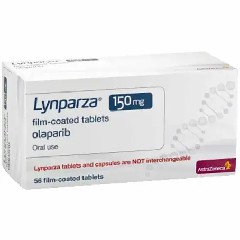
Detailed instructions for Lynparza (Lipdrox), usage and dosage, side effects
Olaparib is a PARP inhibitor used to treat various types of breast, prostate, ovarian, pancreatic, fallopian tube or peritoneal cancer. Lynparza helps cancer cells repair themselves by blocking a protein called PARP. Blocking PARP causes cancer cells to die. Lynparza is often used if your cancer has specific genetic markers, including BRAC1, BRCA2, HRR and HER2 negative. Your doctor will test you for this gene.
Indications:
Dosage: Lynparib is available as oral tablets. Patients treated with olaparib are selected based on the presence of deleterious or suspected deleterious HRR genes (including BRCA mutations) or genomic instability based on indication and sample type. The recommended dose of olaparib is 300 mg taken orally twice with food or alone. If a patient misses a dose of olaparib, instruct the patient to take the next dose at the scheduled time. Instruct the patient to swallow the tablet whole. Do not chew, crush, dissolve, or split tablets.
Side effects:
Common olaparib side effects may include: low blood counts; nausea, vomiting, diarrhea; heartburn, indigestion, loss of appetite; dizziness, feeling weak or tired; headache; cough, shortness of breath; or changes in taste.
Serious side effects of Lynparza:
Get emergency medical help if you have signs of an allergic reaction:: hives; difficulty breathing; swelling of the face, lips, tongue, or throat.
You may be more likely to get infections while taking Lynparza, even serious or fatal infections. If you have any of the following symptoms, please contact your doctor immediately. ImpactFor example:: Fever, chills, weakness, dizziness, or extreme fatigue; sores on the mouth and tongue, sores on the skin; easy bruising, abnormal bleeding; pain or burning when urinating, blood in the urine or stool; pale skin, cold hands and feet; weight loss; or coughing, wheezing, and shortness of breath. If you have certain side effects, your cancer treatment may be delayed. Some take olaparib and gonadotropin-releasing hormone (People who take GnRH medication may develop blood clots in their legs or lungs. Call your doctor if you have pain or swelling in your arms or legs, shortness of breath, chest pain, rapid breathing, or a rapid heartbeat. This is not a complete list of side effects and other side effects may occur. Regardless of any physical discomfort the patient experiences while taking Lynparza, the patient should seek medical treatment immediately.
Precautions: Lynparza can affect your immune system. You may be more susceptible to infections, even serious or fatal infections. Contact your doctor if you have fever, weakness, fatigue, difficulty breathing, easy bruising or bleeding, blood in your urine or stools, or weight loss.
You will need weekly or monthly blood tests, and depending on the results, your cancer treatment may be delayed.
Some people taking olaparib and the drug gonadotropin-releasing hormone (GnRH) may develop blood clots in their legs or lungs. Call your doctor if you have pain or swelling in your arms or legs, shortness of breath, chest pain, rapid breathing, or a rapid heartbeat.
Lynparza may also cause serious lung problems. Call your doctor if you have chest pain, wheezing, difficulty breathing, or a new or worsening cough.
Storage: Storeat room temperature 68°F to 77°F (20°C to 25°C). Store in original bottle to protect from moisture. Keep all medicines out of the reach of children.
[ 免责声明 ] 本页面内容来自公开渠道(如FDA官网、Drugs官网、原研药厂官网等),仅供持有医疗专业资质的人员用于医学药学研究参考,不构成任何治疗建议或药品推荐。所涉药品可能未在中国大陆获批上市,不适用于中国境内销售和使用。如需治疗,请咨询正规医疗机构。本站不提供药品销售或代购服务。


