
.jpeg)
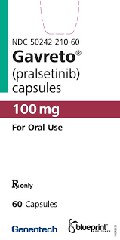
Platinib Chinese instruction manual
Indications:
For the treatment of certain cancers caused by abnormal rearrangements during transfection(RET)gene:
1.Adult non-small cell lung cancer (non-small cell lung cancer) has spread
2.Adults and children 12 years old and above
Mechanism of action:
Platinib can inhibit the proliferation of tumor cells, especially those cells with RET gene mutations. By blocking the activity of RET tyrosine kinase, it interferes with important signaling pathways of tumor cells, thereby effectively controlling abnormal cell proliferation. The drug can also inhibit signaling pathways such as vascular endothelial growth factor receptor (VEGFR), reduce the formation of new blood vessels in tumors, and thereby slow down the growth of tumors. By improving the tumor microenvironment, promoting the activation of anti-tumor immune cells, and enhancing the body's immune response to tumor cells, the therapeutic effect is improved.
Medication method:
The recommended dose of Platinib is400mg, which needs to be taken once daily. The drug should be taken orally on an empty stomach, that is, do not eat for at least 2 hours before taking Platinib and at least 1 hour after taking it to ensure optimal absorption and effect of the drug.
Side effects:
1.Gastrointestinal reactions: including diarrhea, constipation, loss of appetite, nausea and vomiting, etc. Of these, diarrhea is the most common gastrointestinal side effect, but it can usually be relieved by dietary modification and the use of antidiarrheal medications.
2.Skin reactions: such as rash, skin itching, and nail discoloration or texture change. Most of these reactions are mild to moderate and will gradually resolve after treatment ends. If necessary, your doctor may prescribe anti-allergy medications to relieve symptoms.
3. Hypertension: Some patients may develop hypertension or increased blood pressure after taking platinib. Therefore, patients should monitor their blood pressure regularly during medication and take antihypertensive measures when necessary.
4. Bleeding events: Although uncommon, such as nosebleeds, once they occur, patients should follow the doctor's recommendations, such as sitting down, leaning their head slightly forward, and pressing the nostril on the bleeding side.
5. Abnormal liver function: manifested as elevated transaminases and bilirubin. Patients should undergo regular liver function tests during medication so that potential liver function problems can be detected and dealt with in a timely manner.
6.Interstitial lung disease: Although it is relatively rare, if symptoms such as shortness of breath and difficulty breathing occur, you should inform your doctor immediately so that you can receive timely diagnosis and treatment.
7.Other more serious side effects, such as neutropenia, anemia, fatigue and infectious pneumonia. Therefore, while using platinib, patients should pay close attention to their physical condition and conduct relevant examinations regularly.
Warnings and precautions:
During use, attention should be paid to the risk of neurotoxicity, such as delirium, dysarthria, etc. The incidence rate is 53%. At the same time, liver function tests should be performed regularly after taking the medicine to ensure liver safety.
Drug interactions:
PowerfulCYP3A Inhibitors such as clarithromycin and ritonavir, combined with platinib may increase drug exposure and increase the incidence and severity of side effects.
Medication for special populations:
Pregnant and lactating women, children under 12 years of age, patients with severe renal impairment, and patients with moderate or severe liver impairment should be used with caution.
[ 免责声明 ] 本页面内容来自公开渠道(如FDA官网、Drugs官网、原研药厂官网等),仅供持有医疗专业资质的人员用于医学药学研究参考,不构成任何治疗建议或药品推荐。所涉药品可能未在中国大陆获批上市,不适用于中国境内销售和使用。如需治疗,请咨询正规医疗机构。本站不提供药品销售或代购服务。


