
.jpeg)
Synergistic effect of evantumumab and lazetinib in the treatment of non-small cell lung cancer
In the treatment field of non-small cell lung cancer (NSCLC), amivantamab (amivantamab-vmjw) and lazertinib (Lazertinib) have demonstrated their therapeutic advantages and application prospects.
Evantumumab, also known asJNJ-6372, is a breakthrough bispecific antibody that targets both EGFR and MET receptors. This drug is particularly effective in adult patients with locally advanced or metastatic non-small cell lung cancer who have epidermal growth factor receptor (EGFR) exon 20 insertion mutations. Evantumumab provides a new treatment strategy for these patients when they have already received chemotherapy on or after platinum-based agents. Lazertinib is a new type of oral third-generation epidermal growth factor receptor (EGFR) tyrosine kinase inhibitor (TKI). This drug not only has excellent brain penetration, but also irreversibly inhibits EGFR-TKI and has a therapeutic effect on brain metastases. More importantly, lazetinib can target the T790M mutation and activate the Ex19del and L858R mutations of EGFR, while having no effect on wild-type EGFR.
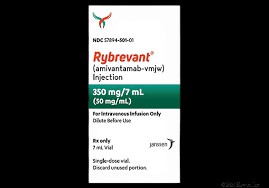
Preliminary study data from global MARIPOSA revealed an exciting result: in patients with previously untreated non-small cell lung cancer and common EGFR mutations, the combination of evantumumab and lazatinib can significantly reduce the risk of disease progression or death compared with the third-generation EGFR inhibitor osimertinib. At an interim follow-up of 22 months, only 35% of patients treated with either drug had progressed, compared with 47% of patients treated with osimertinib. Despite significant therapeutic effects, some patients will experience disease progression and require more intensive treatment, which may increase the risk of adverse events.
This combination therapy provides better protection for patients with brain metastases and has a positive regulatory effect on the immune microenvironment, thereby enhancing the anti-tumor effect. In clinical trials of patients with osimertinib-resistant EGFR mutated non-small cell lung cancer, this combination treatment also demonstrated its efficacy and safety.
[ 免责声明 ] 本页面内容来自公开渠道(如FDA官网、Drugs官网、原研药厂官网等),仅供持有医疗专业资质的人员用于医学药学研究参考,不构成任何治疗建议或药品推荐。所涉药品可能未在中国大陆获批上市,不适用于中国境内销售和使用。如需治疗,请咨询正规医疗机构。本站不提供药品销售或代购服务。


