
.jpeg)
Which one is more effective, serpatinib or platinib?
In the field of anti-cancer drugs, Selpercatinib and Platinib (Pralsetinib) are both regarded as powerful weapons in the treatment of cancers related to RET gene mutations. Although these two drugs have similar therapeutic targets, they have their own differences in efficacy, safety, drug resistance and clinical application. Next, we will conduct an in-depth comparative analysis of these two drugs.
1. Comparison of treatment effects
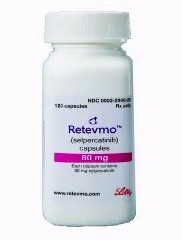
Serpatinib has demonstrated impressive therapeutic effects in clinical trials. Especially for thyroid cancer, non-small cell lung cancer and papillary thyroid cancer related to RET gene mutations, this drug can significantly extend the progression-free survival of patients, improve the disease control rate, and also have a positive impact on improving the overall survival rate of patients.
Platinib has also achieved impressive results in the treatment of RET gene mutation cancers. Its efficacy is comparable to that of septinib (serpatinib), especially in certain cancer types, such as MTC (medullary thyroid carcinoma), the therapeutic effect of platinib may be better.
2. Security Assessment
In terms of safety,Selpatinib has stable performance. Most of the adverse reactions experienced by patients during use are mild to moderate, such as hypertension, diarrhea, etc., and these reactions can be effectively controlled through appropriate treatment. However, potential risks such as cardiotoxicity and hepatic impairment also need to be noted.
The safety data for platinib are also reassuring. Although it may also cause mild adverse reactions such as high blood pressure and fatigue, as well as more serious problems such as interstitial lung disease, its safety profile is generally comparable to that of serpatinib.
3. Discussion on drug resistance
Drug resistance is a problem faced by all anticancer drugs. Selpatinib (Selpatinib)During long-term treatment, some patients may develop drug resistance, which is usually related to the adaptive changes of tumor cells.
Platinib also has certain challenges in terms of drug resistance. But interestingly, some studies suggest that platinib may be an effective alternative treatment option for patients who are resistant to selepotinib.
4. Scope of clinical application
Serpatinib has been widely used to treat a variety of cancers related to RET gene mutations, and its efficacy and safety have been verified in clinical practice. Although platinib is relatively new, its therapeutic effect in specific cancer types has also been recognized by the medical community.
Both serpotinib and platinib are important treatments for cancers with mutations in the RET gene. Both have their own advantages in terms of efficacy, safety and clinical application. For patients, which drug to choose should be comprehensively considered based on their own illness, physical condition, and doctor's recommendations. With the deepening of research, we expect these two drugs to bring hope to more cancer patients in the future.
[ 免责声明 ] 本页面内容来自公开渠道(如FDA官网、Drugs官网、原研药厂官网等),仅供持有医疗专业资质的人员用于医学药学研究参考,不构成任何治疗建议或药品推荐。所涉药品可能未在中国大陆获批上市,不适用于中国境内销售和使用。如需治疗,请咨询正规医疗机构。本站不提供药品销售或代购服务。


