
.jpeg)
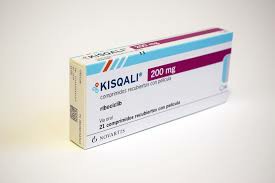
Ribociclib vs. abeciclib: Which drug is better for patients with HR+, HER2- advanced breast cancer?
Ribociclib (Ribociclib) and abeciclib (Abemaciclib) are targeted to hormone receptor-positive (HR+), human epidermal growth factor receptor2negative (HER2-) CDK4/6 inhibitor for advanced breast cancer, both of which have shown significant efficacy in treating this specific type of breast cancer. However, they have certain differences in pharmacological properties, safety, drug resistance and clinical efficacy. Next, we will conduct a detailed comparative analysis of these two drugs.
1. Pharmacological differences
Ribociclib is known for its highly selectiveCDK4/6 inhibition, which effectively curbs the proliferation of cancer cells by blocking cell cycle progression. When used in combination with hormone therapy, it can significantly improve patients' progression-free survival.
In comparison, abeciclib exhibits higher selectivity inCDK4 inhibition, which may mean that its anti-tumor effect will be more significant in certain situations.
2. Security considerations
Ribociclib use may be associated with common adverse reactions, such as decreased white blood cell count, anemia, and digestive symptoms (such as nausea and vomiting). In addition, it may cause cardiotoxic reactions, so patients need to be regularly monitored for ECG changes.
Abexili also has its own characteristics in terms of safety. Some patients may experience more severe diarrhea, and there have been reports of hepatotoxic and nephrotoxic effects.
3. Drug resistance challenge
Long-term use Ribociclib may lead to the development of drug resistance, which is often associated withCDK4/6pathway changes. Although the initial efficacy of ribociclib (ribociclib) is remarkable, the emergence of drug resistance is a concern.
Abeciclib may have certain advantages in reducing the development of drug resistance due to its high selectivity for CDK4/6. However, for patients who use the drug for a long time, the problem of drug resistance cannot be ignored.
4. Comparison of clinical efficacy
Ribociclib has demonstrated significant efficacy in multiple key clinical trials (such as MONALEESA-2, -3 and -7), especially when combined with hormonal therapy, which can significantly extend the progression-free survival of patients.
Similarly, abeciclib has also achieved impressive results in clinical trials such as MONARCH-2 and -3. When used in combination with hormone therapy, it has shown promise in extending progression-free survival in patients with HR+ and HER2- advanced breast cancer.
Both ribociclib and abeciclib have shown similar efficacy in the treatment of HR+ and HER2- advanced breast cancer, but there are differences in pharmacology, safety and drug resistance. Therefore, the patient's specific condition, physical condition, and response to different medications should be considered when selecting the best treatment option. The doctor will tailor the most appropriate treatment plan according to the patient's individual situation in order to achieve the best treatment effect.
[ 免责声明 ] 本页面内容来自公开渠道(如FDA官网、Drugs官网、原研药厂官网等),仅供持有医疗专业资质的人员用于医学药学研究参考,不构成任何治疗建议或药品推荐。所涉药品可能未在中国大陆获批上市,不适用于中国境内销售和使用。如需治疗,请咨询正规医疗机构。本站不提供药品销售或代购服务。


