
.jpeg)
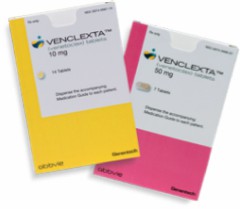
Venetoclax (venetoclax) instructions, usage and dosage, side effects, precautions
Venetoclax is indicated for the treatment of adult patients with chronic lymphocytic leukemia (CLL) or small lymphocytic lymphoma (SLL). It may also be used in combination with azacitidine, decitabine or low-dose cytarabine for the treatment of newly diagnosed acute myeloid leukemia (AML) in adults 75 years of age or older, or those with comorbidities that may prevent the use of intensive induction chemotherapy.
Usage and dosage: Newly diagnosed acute myeloid leukemia (AML) patients:
For patients 75 years of age and older or with comorbidities, the starting dose is 100 mg per day, followed by increases to 200 mg per day on Day 2 and 400 mg per day on Day 3.
When used in combination with azacitidine or decitabine, maintain a dose of 400 mg daily starting on day 4 until disease progression or unacceptable toxicity.
If combined with low-dose cytarabine, the dose should be increased to 600 mg daily starting on day 4 and continued until disease progression or unacceptable toxicity.
Patients with chronic lymphocytic leukemia (CLL) or small lymphocytic lymphoma (SLL):
The starting dose is 20 mg per day and the dose is gradually increased over 5 weeks. The specific dose escalation schedule is usually: 20 mg per day in week 1, 50 mg per day in week 2, 100 mg per day in week 3, 200 mg per day in week 4, and 400 mg per day in week 5.
After 5 weeks, treatment was continued at a dose of 400 mg daily until disease progression or unacceptable toxicity.
Side Effects: Venetoclax can cause serious side effects, including:
Tumor lysis syndrome (TLS) is caused by the rapid breakdown of cancer cells and can lead to kidney failure, the need for dialysis treatment, and possibly death. Before you start taking venetoclax, your doctor will perform tests to check your risk for TLS and give you other medicines before starting and during treatment to help reduce your risk. It is very important to keep your blood test appointments. Tell your doctor right away if you develop any symptoms of TLS while being treated with venetoclax, including fever, chills, nausea, vomiting, confusion, shortness of breath, seizures, irregular heartbeat, dark or cloudy urine, unusual tiredness, or muscle or joint pain.
Drinking more fluids during treatment with venetoclax may help reduce the risk of TLS.
Drink 6 to 8 glasses of water (about 56 ounces total) daily starting 2 days before your first dose, on the day of your first dose, and each time you increase your dose.
When stopping When reinitiating venetoclax 1 week or more later, your primary care physician may recheck your risk for TLS and change your dose.
Low white blood cell count (neutropenia). Low white blood cell counts are common with venetoclax therapy but can also be serious. Your primary care physician will perform blood tests to check your blood cell counts during treatment and may withhold dosing.
infection. Death and serious infections, such as pneumonia and blood infection (sepsis), have occurred during treatment with venetoclax. If you develop a fever or any signs of infection during treatment, you will be closely monitored and treated immediately by your treating physician. If you develop fever or any signs of infection during treatment, tell your doctor immediately.
When used in combination with other drugs or alone, venetoclax treatment The most common side effects of CLL or SLL include low white blood cell count, low platelet count, low red blood cell count, diarrhea, nausea and upper respiratory tract nausea, affecting 20% or more of people. Respiratory infections, cough, muscle and joint pain, fatigue, and swelling of arms, legs, hands, and feet.
When used in combination with other medications, venetoclax therapy The most common side effects with AML include nausea, diarrhea, low platelet count, affecting 30% or more of people; constipation; low white blood cell count; fever with low white blood cell count; fatigue; vomiting; swelling of arms, legs, hands, or feet; fever, lung infection; shortness of breath; bleeding; low red blood cell count; rash; stomach (abdominal) pain; blood infection; muscle and joint pain; dizziness; cough; sore throat; and low blood pressure
Venetextra may cause fertility problems in men. This may affect your ability to have children. If you have concerns about your fertility, please consult your primary care physician.
Get emergency medical help if you develop signs of an allergic reaction to venetoclax: hives; difficulty breathing; swelling of the face, lips, tongue, or throat.
Call your doctor immediately if you:
Symptoms of sepsis - Confusion, severe drowsiness, shortness of breath, feeling very unwell
Pneumonia Symptoms - Cough with yellow or green mucus, chest pain, wheezing, difficulty breathing
Low blood cell count—Fever, mouth ulcers, skin ulcers, easy bruising, abnormal bleeding, pale skin, cold hands and feet, dizziness
Signs of tumor cell breakdown - Chills, joint or muscle pain, feeling tired or short of breath, fast or slow heartbeat, nausea, vomiting, dark or cloudy urine, or seizures (convulsions).
These are not all possible side effects of venetoclax. Regardless of any physical discomfort the patient experiences while using Venetoclax, the patient should seek medical attention immediately.
Precautions: Venetoclax can cause serious side effects such as tumor lysis syndrome (TLS), low white blood cell count, and infection. Contact your doctor right away if you develop fever, chills, joint or muscle pain, tiredness, confusion, shortness of breath, fast or slow heartbeat, nausea, vomiting, dark or cloudy urine, or seizure (convulsions).
You should not receive live-attenuated vaccines (such as MMR, chickenpox, monkeypox) before, during, or after treatment with venetoclax until your B cells have fully recovered.
May cause harm to unborn child. Women of childbearing potential should use effective contraceptive measures.
Treatment of patients with multiple myeloma with venetoclax plus bortezomib plus dexamethasone can only be done in controlled clinical trials.
Tell your doctor about all the medicines you currently use and any medicines you start or stop using. Many drugs can interact with each other, and some drugs should not be used together.
Storage: Store venetoclax tablets in original container at room temperature, away from moisture and heat. Do not put tablets in your daily pill box. Please keep Venekra out of the reach of children.
[ 免责声明 ] 本页面内容来自公开渠道(如FDA官网、Drugs官网、原研药厂官网等),仅供持有医疗专业资质的人员用于医学药学研究参考,不构成任何治疗建议或药品推荐。所涉药品可能未在中国大陆获批上市,不适用于中国境内销售和使用。如需治疗,请咨询正规医疗机构。本站不提供药品销售或代购服务。


