
.jpeg)
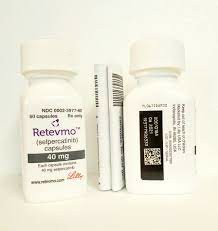
Analysis of drug resistance problems and countermeasures for serpatinib
Selpercatinib (Selpercatinib), a targeted therapy for RET fusion-positive tumors, has demonstrated excellent clinical efficacy. However, similar to many targeted drugs, Serpatinib also faces the problem of drug resistance. When drug resistance occurs, its original therapeutic effect will be significantly affected. Next, we will delve into the causes of resistance to serpatinib and how to effectively prevent and deal with this problem.
1. Main causes of resistance to serpatinib
1.Mutation at the genetic level: During the course of treatment, new genetic mutations may appear in the tumor cells of some patients. These mutations may weaken or prevent the binding of serpatinib to tumor cells, thereby reducing the efficacy of the drug.
2.Changes in signaling pathways: Tumor cells sometimes circumvent the effects of serpatinib by activating or strengthening other signaling pathways. This "detour" behavior is often related to the internal complexity and diversity of tumors.
3. Adjustment of the tumor microenvironment: Some changes in the tumor microenvironment, such as adjustments in angiogenesis or immunosuppression, may also help tumor cells escape the attack of serpatinib.
2. Measures to prevent resistance to serpatinib
1.Continuous monitoring of efficacy: Through regular tumor marker detection and medical imaging examinations, the medical team can understand the patient's response to treatment in real time. Once the treatment effect is found to be poor, the treatment strategy can be adjusted in a timely manner.
2.Combination drug regimen: In order to reduce the resistance to a single drug, researchers are exploring the combined use of serpatinib with other drugs (such as chemotherapy drugs or other targeted drugs) in order to improve the overall treatment effect through the synergistic effect of multiple drugs.
3.Personalized precision treatment: Tailor-made treatment plans based on the patient’s specific genotype and molecular characteristics can more effectively attack tumor cells and reduce the development of drug resistance.
3. Strategies to deal with resistance to serpatinib
1.Adjust treatment plan: Once resistance to serpatinib is detected, doctors may recommend that patients switch to other targeted drugs or chemotherapy drugs. This switch needs to be customized based on the patient's specific condition and resistance mechanism.
2.Participate in clinical trials of new drugs: For patients who have developed drug resistance, participating in clinical trials of new drugs may be a good choice, because new treatments may bring them new hope.
3.Comprehensive supportive care: For patients who cannot continue active treatment, providing comprehensive supportive care—such as pain management, nutritional supplements, and psychological support—can significantly improve their quality of life and potentially extend survival.
Serpatinib as a cutting-edge targeted therapy drug, brings new treatment options to patients with RET fusion-positive tumors. However, the emergence of drug resistance reminds us that continued treatment monitoring and flexible adjustment of treatment strategies are equally important. The medical team must remain vigilant and communicate closely with patients to ensure maximum treatment effectiveness while providing patients with the best quality of life.
[ 免责声明 ] 本页面内容来自公开渠道(如FDA官网、Drugs官网、原研药厂官网等),仅供持有医疗专业资质的人员用于医学药学研究参考,不构成任何治疗建议或药品推荐。所涉药品可能未在中国大陆获批上市,不适用于中国境内销售和使用。如需治疗,请咨询正规医疗机构。本站不提供药品销售或代购服务。


