
.jpeg)
Detailed explanation of the target of ribociclib
Ribociclib (Ribociclib), as an innovative targeted therapy drug, its core function is to precisely inhibit the key regulators of the cell cycle - cyclin-dependent kinase 4/6 (CDK4/6). CDK4/6 is an important kinase that controls the cell division cycle, especially the transition from the G1 phase to the S phase. Riboxiclib interrupts the normal cell division process by specifically binding and inhibiting CDK4/6, thereby inhibiting the rapid proliferation of breast cancer cells.
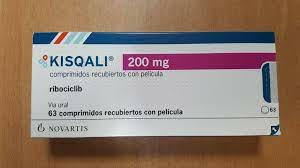
The mechanism of action of ribociclib is that it forms a stable complex with CDK4/6, thereby blocking the normal binding and activation process of cyclin (Cyclin) and CDK4/6. Under normal physiological conditions, the combination of cell cycle proteins with CDK4/6 is a key step in promoting the cell cycle. However, the intervention of ribociclib effectively disrupts this balance, causing the cell cycle to be forcibly suspended, thereby inhibiting the continued proliferation of tumor cells.
The therapeutic effect of ribociclib is reflected in two aspects: first, it directly slows down the growth rate of tumor cells and controls the progression of the disease; second, through combined use with other anti-cancer drugs, such as endocrine therapy drugs, it produces a synergistic effect and significantly improves the overall effect of breast cancer treatment.
In summary, Riboxiclib (Riboxiclib) takes cyclin-dependent kinase4/6 as its main target and achieves effective control of breast cancer cell proliferation by precisely intervening in the cell division cycle. An in-depth analysis of its mechanism of action will not only help us better understand the pathogenesis of breast cancer, but also open up new paths for the development of anti-cancer drugs in the future.
[ 免责声明 ] 本页面内容来自公开渠道(如FDA官网、Drugs官网、原研药厂官网等),仅供持有医疗专业资质的人员用于医学药学研究参考,不构成任何治疗建议或药品推荐。所涉药品可能未在中国大陆获批上市,不适用于中国境内销售和使用。如需治疗,请咨询正规医疗机构。本站不提供药品销售或代购服务。


