
.jpeg)
Venetoclax Latest News: SLS009 Combined with Venetoclax and Azacitidine Generates Response in R/R AML, Including ASXL1+ Disease
Small molecule, highly selective The CDK9 inhibitor SLS009 (formerly GFH009), in combination with Venclexta and Vidaza, produced responses in patients with relapsed/refractory acute myeloid leukemia (AML), including those harboring ASXL1 truncating mutations. Phase 2a data from the Phase 1/2 trial (NCT04588922).
Study results showed that among all patients treated with the optimal dose of SLS009 (30 mg twice weekly), the overall response rate (ORR) of SLS009 was 57%, exceeding the target ORR of 20%. Notably, patients with ASXL1 mutations treated with optimal doses (n = 4) achieved 100% ORR, including complete response (CR), hematologically incomplete recovery (CRi), and morphologic leukemia-free status (MLFS). At the time of data cutoff, all 4 patients remained on treatment. In patients with ASXL1 mutant disease (n = 8) treated with all dose levels of SLS009, the ORR was 63%.
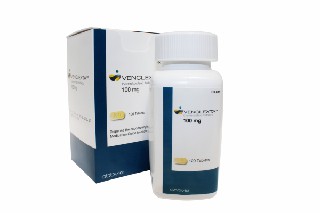
Based on Phase 2a data, SELLAS intends to begin discussions with the U.S. FDA for accelerated approval of SLS009 for the treatment of patients with relapsed/refractory AML carrying ASXL1 mutations and other indications for patients carrying such mutations. In AML, ASXL1 mutations occur in approximately 20% of patients and they are adverse prognostic factors for survival and are also associated with lower CR rates.
This open-label, single-arm, multicenter Phase 1/2 study enrolled patients with cytologically or histologically confirmed relapsed or refractory hematologic malignancies, including AML, chronic lymphocytic leukemia/small lymphocytic lymphoma, and lymphoma. In the Phase 2a portion, AML patients must have disease that is relapsed or refractory to venetoclax-containing regimens. Key exclusion criteria included bulky disease requiring cytoreductive therapy; symptomatic central nervous system (CNS) metastases or primary lymphoma, such as primary CNS lymphoma, leptomeningeal disease, or spinal cord compression; and severe cardiovascular disease within 6 months of study entry.
In a Phase 2a study, patients received venetoclax/azacitidine in combination with SLS009 at one of 2 dose levels of 45 mg and 60 mg. In the 60 mg cohort, patients were randomly assigned to receive 60 mg of SLS009 once weekly or 30 mg of SLS009 twice weekly.
The study's primary endpoints are safety and tolerability. Secondary endpoints included pharmacokinetics, CR rate, duration of response, progression-free survival, and overall survival (OS). In Phase 2a, the optimal dose of SLS009 has a target ORR of 20% and a target median OS of 3 months. Going forward, the expansion cohort will enroll patients with relapsed/refractory AML harboring ASXL1 mutations.
Previously reported phase 2a trial data showed an ORR of 50% in patients with relapsed/refractory AML treated with optimal doses of SLS009 in combination with venetoclax and azacitidine.
[ 免责声明 ] 本页面内容来自公开渠道(如FDA官网、Drugs官网、原研药厂官网等),仅供持有医疗专业资质的人员用于医学药学研究参考,不构成任何治疗建议或药品推荐。所涉药品可能未在中国大陆获批上市,不适用于中国境内销售和使用。如需治疗,请咨询正规医疗机构。本站不提供药品销售或代购服务。


