
.jpeg)
Linezolid medical insurance price in 2024
Linezolid (Linezolid) is a synthetic antibiotic belonging to the oxazolidinone class (Oxazolidinone). Linezolid works by inhibiting bacterial protein synthesis. It binds to the 50S subunit of the bacterial ribosome, preventing the formation of the initiation complex, thereby inhibiting protein synthesis. This unique mechanism makes linezolid excellent in combating drug-resistant bacteria, especially against methicillin-resistant Staphylococcus aureus (MRSA), vancomycin-resistant enterococci (VRE) and Gram-positive strains that are resistant to multiple other antibiotics.
Clinically, linezolid is mainly used to treat complicated infections, including hospital-acquired pneumonia, community-acquired pneumonia, complicated skin and soft tissue infections, sepsis and other serious infections caused by drug-resistant Gram-positive bacteria. Due to its broad-spectrum antibacterial activity and good tissue penetration, linezolid provides an effective alternative when conventional antibiotic therapy is refractory. Linezolid can be administered orally or intravenously. It is well absorbed and has an oral bioavailability close to 100%. It is suitable for outpatients and inpatients.
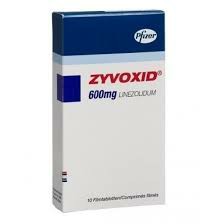
In China, linezolid is currently on the market and has been included in medical insurance. Patients can purchase it at domestic hospital pharmacies. Due to different medical insurance policies, please consult the local hospital pharmacy for specific prices and reimbursement information. Abroad, generic drugs produced in India have more price advantages. The price of Indian generic drugs600mg*100tablets is about more than 600 yuan, which is basically the same as the ingredients of domestic drugs. It is an economical and affordable choice for many patients.
Although linezolid has significant efficacy, its use is also associated with certain side effects and potential risks. Common side effects include headache, nausea, vomiting, diarrhea and rash. Long-term use may result in hematological toxicities such as thrombocytopenia, anemia, and leukopenia, as well as lactic acidosis and peripheral neuropathy. Therefore, during use, doctors usually monitor patients closely to detect and deal with possible adverse reactions in a timely manner.
[ 免责声明 ] 本页面内容来自公开渠道(如FDA官网、Drugs官网、原研药厂官网等),仅供持有医疗专业资质的人员用于医学药学研究参考,不构成任何治疗建议或药品推荐。所涉药品可能未在中国大陆获批上市,不适用于中国境内销售和使用。如需治疗,请咨询正规医疗机构。本站不提供药品销售或代购服务。


