
.jpeg)
Adverse reactions related to Apelvis and how to deal with them
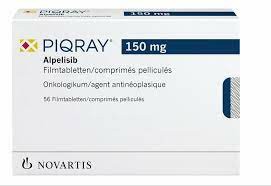
Alpelisib (Alpelisib) is a drug commonly used in combination therapy, but some side effects may occur during use. According to the results of clinical studies, the most common adverse reactions include diarrhea, rash, nausea, fatigue, decreased appetite, stomatitis, vomiting, weight loss, and hair loss.
Diarrhea is one of the most common side effects of taking Apelvis. To deal with diarrhea symptoms, you can take the following methods: First, maintain adequate fluid intake to prevent dehydration. Secondly, adjust your diet appropriately, avoid eating greasy or spicy foods, and eat more high-fiber foods, such as fruits, vegetables and whole grains, to promote intestinal peristalsis. At the same time, if the symptoms are severe, you can also consider using drugs for control, but they need to be used under the guidance of a doctor.
Rash is another common side effect, which can manifest as redness, swelling, itching and other discomfort. For rashes, we can take gentle cleaning care methods, such as using warm water to clean the skin, and avoid using too many irritating skin care products. At the same time, it is also important to keep your skin moisturized by using a mild moisturizer or lotion. If symptoms worsen or other discomfort occurs, you should seek medical advice promptly.
Nausea and vomiting are also among the common side effects of taking Apelvis. For these symptoms, we can try to eat small amounts of food in small portions to avoid overfullness. In addition, avoiding greasy or spicy foods such as chili peppers, coffee, and alcohol can also help reduce nausea and vomiting. In severe cases, your doctor may recommend anti-nausea medications to relieve symptoms.
In addition to the above symptoms, the use of Apelvis may also cause some laboratory abnormalities. This includes increased glucose, increased creatinine, decreased lymphocyte count, increased gamma-glutamyl transferase (GGT), increased alanine aminotransferase (ALT), decreased hemoglobin, increased lipase, decreased calcium, decreased glucose, and prolonged activated partial thromboplastin time (aPTT). These abnormal results require further evaluation and treatment under the guidance of a physician. The doctor may order further laboratory tests to understand the specific situation and develop an appropriate treatment plan accordingly.
[ 免责声明 ] 本页面内容来自公开渠道(如FDA官网、Drugs官网、原研药厂官网等),仅供持有医疗专业资质的人员用于医学药学研究参考,不构成任何治疗建议或药品推荐。所涉药品可能未在中国大陆获批上市,不适用于中国境内销售和使用。如需治疗,请咨询正规医疗机构。本站不提供药品销售或代购服务。


