
.jpeg)
How effective is osimertinib for lung squamous cell carcinoma?
Osimertinib is a targeted drug that targets EGFR (epidermal growth factor receptor) mutations. It exerts anti-tumor effects by selectively inhibiting the activity of mutated EGFR protein and blocking cancer cell growth signaling pathways. This mechanism allows osimertinib to have significant efficacy in EGFR mutation-positive non-small cell lung cancer. However, the relatively low frequency of EGFR mutations in lung squamous cell carcinoma means that osimertinib may not be the first-choice treatment for all patients with lung squamous cell carcinoma.
Although the mutation rate of EGFR in lung squamous cell carcinoma is not high, some patients with lung squamous cell carcinoma may benefit from osimertinib treatment. In some clinical trials, osimertinib has shown certain efficacy in specific subgroups of lung squamous cell carcinoma patients. For example, osimertinib may have the potential to inhibit tumor growth and extend survival for patients with lung squamous cell carcinoma who have EGFR mutations or other related genetic alterations.
Although osimertinib mainly targets EGFR mutations, studies have also found that the drug may also have a certain inhibitory effect on some non-EGFR mutated lung cancer cells. This suggests that the application of osimertinib in the treatment of lung squamous cell carcinoma may not be limited to patients with EGFR mutations.
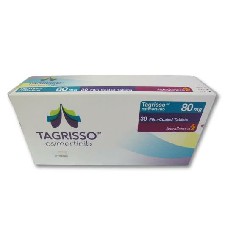
In actual clinical application, the therapeutic effect of osimertinib on some patients with lung squamous cell carcinoma varies from person to person. Some patients may observe positive changes such as tumor shrinkage, symptom improvement, and improved quality of life after taking osimertinib. However, some patients may be insensitive or resistant to drugs.
In terms of side effects, osimertinib may cause a series of adverse reactions, such as rash, diarrhea, nausea, etc. The severity of these side effects varies from person to person, and some patients may experience only mild discomfort, while a few may need to adjust their medication dosage or interrupt treatment to reduce side effects. Therefore, when using osimertinib, doctors will make personalized adjustments based on the patient's specific conditions.
In the treatment of lung squamous cell carcinoma, osimertinib has certain advantages and limitations compared with other treatment methods (such as chemotherapy, radiotherapy and immunotherapy, etc.). Compared with chemotherapy, osimertinib may have milder side effects and be more effective in certain subgroups of patients. However, because in lung squamous cell carcinomaEGFRThe mutation rate is low, and the applicable scope of osimertinib is relatively narrow.
Compared with radiotherapy, osimertinib, as a systemic treatment, can target metastases, while radiotherapy mainly targets local lesions. Therefore, osimertinib and radiotherapy may have complementary effects in the comprehensive treatment of lung squamous cell carcinoma.
As for immunotherapy, it is a treatment method that has emerged in recent years by activating the patient's own immune system to attack cancer cells. Immunotherapy has a different mechanism of action and range of indications than osimertinib. In some cases, immunotherapy may be a better option for patients with lung squamous cell carcinoma; in other cases, the combination of osimertinib and immunotherapy may lead to better treatment results.
The clinical effect of osimertinib in the treatment of lung squamous cell carcinoma varies depending on individual patient differences. Osimertinib may have significant efficacy in patients with lung squamous cell carcinoma who have EGFR mutations or other related genetic alterations.
[ 免责声明 ] 本页面内容来自公开渠道(如FDA官网、Drugs官网、原研药厂官网等),仅供持有医疗专业资质的人员用于医学药学研究参考,不构成任何治疗建议或药品推荐。所涉药品可能未在中国大陆获批上市,不适用于中国境内销售和使用。如需治疗,请咨询正规医疗机构。本站不提供药品销售或代购服务。


