
.jpeg)
What is the effectiveness of ensidipine?
Enasidenib (Enasidenib) is a targeted therapy for AML. Its effectiveness varies depending on the patient's condition, treatment regimen and other factors. The response rate usually refers to the proportion of patients who achieve complete remission (CR) or partial remission (PR) after receiving treatment, which reflects the overall effectiveness of the drug in treating AML.
In clinical trials, the efficacy of ensidipine monotherapy for relapsed or refractory AML harboring IDH2 mutations generally ranged from 20% to 40%. This means that approximately 20% to 40% of patients who receive ensidipine will achieve complete or partial remission.
Individual differences among patients may affect the therapeutic effect of ensidipine. Some patients may show a good therapeutic response to ensidipine, achieving a higher efficacy rate, while other patients may have a weaker response to the drug, resulting in less effective treatment.
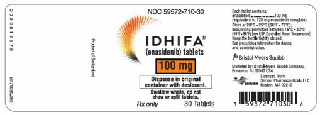
Sometimes ensidipine is given in combination with other medications to make treatment more effective. For example, combining ensidipine with standard chemotherapy regimens or other targeted drugs may further improve patient response rates.
Although ensidipine can help someAML patients achieve remission, some patients may develop drug resistance after receiving treatment for a period of time, resulting in a weakened or ineffective treatment effect. Drug resistance is a challenge in the treatment of AML and may affect the effectiveness of ensidipine.
Continuous monitoring of patients' response to treatment and changes in their condition is critical. Depending on the patient's specific situation, doctors can adjust the treatment plan, including increasing the dose, changing the treatment plan, or combining other drugs to improve the effectiveness of the treatment.
In summary, ensidipine treatmentThe effective rate of AML is usually between 20% and 40%, but it may be affected by various factors such as individual differences, treatment options, and drug resistance. Through continuous monitoring and individualized treatment, patient outcomes can be improved and patients can be provided with better clinical outcomes.
[ 免责声明 ] 本页面内容来自公开渠道(如FDA官网、Drugs官网、原研药厂官网等),仅供持有医疗专业资质的人员用于医学药学研究参考,不构成任何治疗建议或药品推荐。所涉药品可能未在中国大陆获批上市,不适用于中国境内销售和使用。如需治疗,请咨询正规医疗机构。本站不提供药品销售或代购服务。


