
.jpeg)
What is crizotinib?
Crizotinib is a small molecule targeted anti-tumor treatment drug that belongs to Category B of prescription drugs.
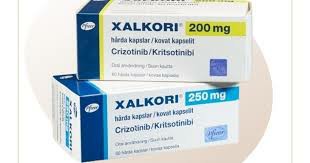
Crizotinib, also known as Xalkori, is aATP competitive multi-target protein kinase inhibitor. It can act by targeting tyrosine kinase receptors, especially anaplastic lymphoma kinase (ALK) and human hepatocyte growth factor receptor (c-Met), as well as multiple protein kinase targets such as ROS1. Crizotinib can inhibit the activity of these kinases, thereby blocking multiple cell signaling pathways that play a key role in the growth and activation of tumor cells, thereby inhibiting tumor development and stabilizing or regressing tumors.
Crizotinib is mainly used to treat patients with anaplastic lymphoma kinase (ALK)-positive locally advanced or metastatic non-small cell lung cancer (NSCLC), and ROS1-positive patients with advanced non-small cell lung cancer. In clinical trials and in practice, crizotinib has shown significant efficacy against these specific types of lung cancer.
For ALKpositiveNSCLC patients, crizotinib can significantly prolong the progression-free survival and slow down the progression of the disease. Similarly, crizotinib also showed good therapeutic effects for ROS1positive NSCLC patients. The drug's efficacy has been demonstrated in multiple clinical studies and is considered a first-line treatment for these specific types of lung cancer.
However, it is worth noting that the efficacy of crizotinib is not effective in all patients with lung cancer. It is mainly targeted at lung cancer patients with ALK or ROS1 gene mutations. Therefore, before using crizotinib, patients need to undergo genetic testing to determine whether they are suitable for this drug.
The recommended dose of crizotinib is250mg, twice daily until disease progression or patient intolerance. Capsules should be swallowed whole, with or without food. The starting dose of crizotinib may need to be adjusted in patients with varying degrees of hepatic impairment. For patients with mild hepatic impairment, there is no need to adjust the starting dose; for patients with moderate hepatic impairment, the recommended starting dose is 200 mg 2 times a day; for patients with severe hepatic impairment, the recommended starting dose is 250 mg 1 time a day. For patients with renal impairment, patients with mild and moderate renal impairment do not need to adjust the starting dose, while for patients with severe renal impairment who do not require dialysis, the recommended starting dose is 250 mg, taken orally, once daily.
Dose adjustments may be necessary if adverse reactions occur while taking crizotinib. The recommended dose reduction method is to first reduce to 200mg2 times per day, and if further reduction is necessary, reduce to 250mg1 time per day. If crizotinib is still not tolerated 250 mg orally 1 times daily, it should be permanently discontinued.
While crizotinib has shown significant efficacy in treating certain types of lung cancer, it can also cause some adverse effects. Common adverse reactions include electrolyte abnormalities (such as electrolyte disorders caused by abnormalities in potassium and calcium ions), visual abnormalities (such as diplopia, blurred food, etc.), gastrointestinal reactions (such as indigestion, nausea, vomiting, etc.) and other symptoms such as elevated transaminases, bradycardia, etc.
In the event of adverse reactions, patients should contact their doctor promptly and follow the doctor's recommendations for adjustments. Mild adverse reactions may require only observation or minor dose adjustment. Serious adverse reactions may require suspension of medication or other necessary medical measures.
[ 免责声明 ] 本页面内容来自公开渠道(如FDA官网、Drugs官网、原研药厂官网等),仅供持有医疗专业资质的人员用于医学药学研究参考,不构成任何治疗建议或药品推荐。所涉药品可能未在中国大陆获批上市,不适用于中国境内销售和使用。如需治疗,请咨询正规医疗机构。本站不提供药品销售或代购服务。


