
.jpeg)
How effective is platinib against brain metastases?
Platinib, as a tyrosinase inhibitor (TKI) targeting RET fusion, has emerged in the treatment of lung cancer in recent years. Especially in the treatment of brain metastases from lung cancer, platinib has shown impressive efficacy.
Platinib has good blood-brain barrier penetration ability, which is the key to its treatment of brain metastases. Multiple studies have shown that platinib can effectively penetrate the blood-brain barrier and reach intracranial lesions, thereby exerting a therapeutic effect. In clinical trials, platinib has shown excellent intracranial response rates in patients with brain metastases. For example, in one study, platinib achieved an overall intracranial response rate of 56% in lung cancer patients with measurable brain metastases, of which 33% achieved intracranial complete response. This data fully demonstrates the effectiveness of platinib in the treatment of brain metastases from lung cancer.
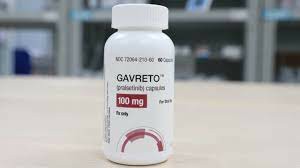
Compared with other drugs for the treatment of lung cancer, Platinib also has certain advantages in its efficacy in brain metastasis. Although other TKIs or multi-target drugs may also have certain therapeutic effects on brain metastases, the properties of platinib targeting the RET fusion gene make it more effective in specific patient groups. In addition, compared with traditional treatment methods such as chemotherapy, platinib has relatively minor side effects, and patients' quality of life can be better protected.
Platinib has demonstrated good safety and tolerability in the treatment of brain metastases. Although some patients may experience some adverse reactions during use, most reactions are mild and controllable. This makes it possible for patients to continue receiving treatment and helps prolong their survival and improve their quality of life.
[ 免责声明 ] 本页面内容来自公开渠道(如FDA官网、Drugs官网、原研药厂官网等),仅供持有医疗专业资质的人员用于医学药学研究参考,不构成任何治疗建议或药品推荐。所涉药品可能未在中国大陆获批上市,不适用于中国境内销售和使用。如需治疗,请咨询正规医疗机构。本站不提供药品销售或代购服务。


