
.jpeg)
The difference between ibrutinib/ibrutinib and sirolimus
Ibrutinib/Ibrutinib and sirolimus have significant differences in drug type, mechanism of action, indications, side effects and clinical applications. When choosing a drug, doctors will consider it based on the patient's specific condition, treatment goals, and possible side effects. For patients, knowing the differences between these drugs can help them better understand and cooperate with treatment plans, thereby improving treatment effects and quality of life.
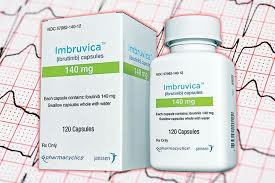
In terms of drug type and mechanism of action, ibrutinib is an oral small molecule targeted drug mainly used to treat tumors. It affects the development, activation and survival of B cells by inhibiting the activity of Bruton's tyrosine kinase (BTK), thereby achieving the effect of treating B cell malignant tumors. In contrast, sirolimus is a macrolide immunosuppressant that was originally developed as an antifungal drug and has since been widely used in the treatment of immune rejection after organ transplantation and the treatment of certain autoimmune diseases due to its immunosuppressive activity. It regulates cell growth and proliferation by inhibiting the mTOR signaling pathway.
In terms of indications, ibrutinib is mainly targeted at patients with mantle cell lymphoma who have received at least one treatment in the past, and patients with chronic lymphocytic leukemia/small lymphocytic lymphoma. Its efficacy is widely recognized in the treatment of these diseases. Sirolimus is mainly used to prevent rejection after organ transplantation, especially kidney transplantation. In addition, scientists in recent years have also discovered the potential of sirolimus in treating neurological diseases such as Alzheimer's disease.
From a side effect and safety perspective, side effects of ibrutinib are relatively few and usually mild, but may also include bleeding, infection, heart problems, etc. The side effects of sirolimus may include renal function damage, hyperlipidemia, etc., which require close monitoring during use. Therefore, when choosing a drug, doctors will comprehensively consider the patient's specific situation and possible side effects.
[ 免责声明 ] 本页面内容来自公开渠道(如FDA官网、Drugs官网、原研药厂官网等),仅供持有医疗专业资质的人员用于医学药学研究参考,不构成任何治疗建议或药品推荐。所涉药品可能未在中国大陆获批上市,不适用于中国境内销售和使用。如需治疗,请咨询正规医疗机构。本站不提供药品销售或代购服务。


