
.jpeg)
Which is better, linezolid or vancomycin?
On the battlefield of treating drug-resistant Gram-positive bacterial infections, linezolid (Linezolid) and vancomycin (Vancomycin) are both high-profile antibacterial warriors. But asking which one is better is not a simple question of "yes" or "no". Below, we will analyze these two drugs in depth from multiple dimensions to help you understand them more comprehensively.
1. Pharmacological mechanism and characteristics
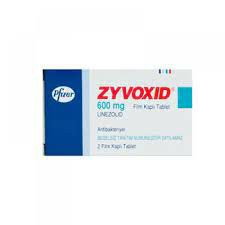
Linezolid: It is a synthetic oxidative phosphate antibiotic that is unique in that it inhibits bacterial protein synthesis. Specifically, it blocks the protein synthesis pathway by binding to bacterial ribosome subunits. This mechanism allows linezolid to exhibit potent antibacterial activity against multiple drug-resistant Gram-positive bacteria, such as MRSA and Enterococcus spp. Clinically, it is widely used to treat various infections, especially skin, soft tissue, lungs and sepsis.
Vancomycin: Vancomycin is a glycopeptide antibiotic whose main attack point is the bacterial cell wall. By interfering with cell wall synthesis, bacteria lose their protective barrier, ultimately leading to bacterial death. It is the nemesis of Gram-positive bacterial infections, especially against drug-resistant bacteria such as MRSA. Typically, vancomycin is given intravenously, but oral forms are also used to treat certain Enterococcus species infections.
2. Comparison of clinical efficacy
Antibacterial scope: Linezolid has a wider antibacterial spectrum and can not only deal with MRSA, but also effectively combat VRE and other drug-resistant bacteria. Although vancomycin has a good effect on MRSA, its efficacy may be limited when faced with certain drug-resistant bacteria such as VRE.
Differences in mechanism of action:
Linezolid mainly targets bacterial ribosomes and is therefore mainly effective against Gram-positive bacteria.
Vancomycin mainly attacks the cell wall of bacteria and has a good effect on Gram-positive bacteria, but has a poor effect on Gram-negative bacteria and anaerobic bacteria.
3. Clinical Selection and Application Considerations
Basis for selection: The type and severity of infection are key to deciding on medication. Linezolid is often used as the first-choice treatment for a variety of infections due to its broad antibacterial spectrum. Vancomycin is commonly used for certain Gram-positive bacterial infections. The drug susceptibility test results of pathogenic bacteria are also an important basis for selecting antibiotics.
Special groups and safety: For patients with renal insufficiency, linezolid has relatively less nephrotoxicity and is more suitable. When using both medications, consideration needs to be given to other medications the patient is taking concurrently to avoid adverse drug interactions.
Linezolid and vancomycin are both important weapons in the treatment of drug-resistant Gram-positive bacterial infections. Which drug to choose should be determined based on the patient's specific condition, type of infection, and drug susceptibility test results of the pathogenic bacteria. In some cases, the two can even be used together to maximize the effectiveness of the treatment. In summary, there is no absolute "winner", only the treatment plan that is best for the patient.
[ 免责声明 ] 本页面内容来自公开渠道(如FDA官网、Drugs官网、原研药厂官网等),仅供持有医疗专业资质的人员用于医学药学研究参考,不构成任何治疗建议或药品推荐。所涉药品可能未在中国大陆获批上市,不适用于中国境内销售和使用。如需治疗,请咨询正规医疗机构。本站不提供药品销售或代购服务。


