
.jpeg)
Linezolid a powerful tool in treating drug-resistant bacterial infections
Linezolid, with its unique antibacterial mechanism and broad antibacterial spectrum, has excellent performance in the treatment of drug-resistant Gram-positive bacterial infections. In particular, linezolid has demonstrated excellent therapeutic efficacy against difficult pathogens such as methicillin-resistant Staphylococcus aureus (MRSA) and vancomycin-resistant Enterococcus (VRE).
Linezolid has played an important role in a variety of clinical scenarios, such as skin and soft tissue infections, hospital-acquired pneumonia, and sepsis. Its ability to rapidly reach therapeutic concentrations, whether administered orally or intravenously, allows it to rapidly control infections, thereby effectively improving patient symptoms.
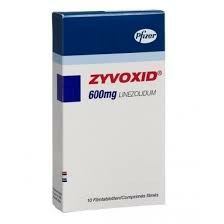
No medicine is a panacea. Although linezolid is highly effective, it may also cause some adverse reactions, such as anemia, thrombocytopenia, and related symptoms of the nervous system and gastrointestinal tract. Therefore, during use, doctors will make comprehensive considerations based on the patient's specific situation and tolerance to ensure the safety and effectiveness of the treatment.
When evaluating the efficacy of linezolid, doctors will conduct a comprehensive analysis based on the patient's infection type, drug resistance, and overall health status. This individualized treatment plan is designed to ensure that each patient gets the maximum benefit from linezolid treatment.
In general, linezolid, as an important antibiotic, has excellent performance in treating drug-resistant Gram-positive bacterial infections and undoubtedly provides clinicians with a powerful therapeutic weapon. Its broad application prospects and significant therapeutic effects make linezolid occupy an indispensable position in modern medical practice.
[ 免责声明 ] 本页面内容来自公开渠道(如FDA官网、Drugs官网、原研药厂官网等),仅供持有医疗专业资质的人员用于医学药学研究参考,不构成任何治疗建议或药品推荐。所涉药品可能未在中国大陆获批上市,不适用于中国境内销售和使用。如需治疗,请咨询正规医疗机构。本站不提供药品销售或代购服务。


