
.jpeg)
What diseases is Acemini used to treat?
Asciminib (Asciminib) is mainly used to treat adult patients in the chronic phase of Philadelphia chromosome-positive chronic myelogenous leukemia (Ph+ CML). This disease is a malignant tumor that affects the blood and bone marrow and is closely related to the Philadelphia chromosome, which occurs in about 90-95% of patients. Aceminib is particularly suitable for patients who have received at least two previous tyrosine kinase inhibitors (TKIs) and whose disease is still progressing or who are intolerant to the treatments. In addition, aceminib also showed therapeutic efficacy in patients with the T315I mutation.
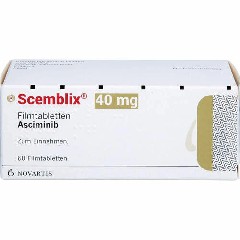
The main mechanism of action of Aceminib is to specifically bind to the myristoyl pocket (STAMP) of the BCR-ABL fusion protein, effectively inhibiting its activity, thereby blocking the proliferation and spread of chronic myelogenous leukemia (CML) cells. Clinical trial results of this drug show that it has high efficacy and safety in the treatment of patients with relapsed or refractory Ph+ CML.
It is important to note that although Asiminib providesadult patients with CP-CML an additional treatment option, patients should follow their physician's recommendations when using it and closely monitor for any reactions during use. Common adverse reactions include upper respiratory tract infection, musculoskeletal pain, fatigue, nausea, rash and diarrhea. In addition, some laboratory abnormalities may occur, such as decreased platelet count and increased triglycerides.
In summary, aceminib, as a newBCR-ABL inhibitor, provides new treatment hope for patients with specific types of chronic myelogenous leukemia. However, like other drugs, it may also bring some side effects and risks, so it needs to be used rationally under the guidance of a doctor.
[ 免责声明 ] 本页面内容来自公开渠道(如FDA官网、Drugs官网、原研药厂官网等),仅供持有医疗专业资质的人员用于医学药学研究参考,不构成任何治疗建议或药品推荐。所涉药品可能未在中国大陆获批上市,不适用于中国境内销售和使用。如需治疗,请咨询正规医疗机构。本站不提供药品销售或代购服务。


