
.jpeg)
Rubicatin Instructions, Usage and Dosage, Side Effects
Lurbinectedin is an alkylating drug that binds to guanine residues within DNA. Rubicatin is specifically indicated for the treatment of adult patients with metastatic small cell lung cancer (SCLC) whose disease has progressed during or after platinum-based chemotherapy. Rubicatine is given after platinum cancer drugs have failed or stopped working.
Mechanism of action: Rubicatin is an alkylating drug that binds to guanine residues in the minor groove of DNA, forming an adduct and causing the DNA helix to bend toward the major groove. The formation of adducts triggers a cascade of events that may affect the subsequent activity of DNA-binding proteins (including some transcription factors) and DNA repair pathways, thereby disrupting the cell cycle and ultimately leading to cell death.
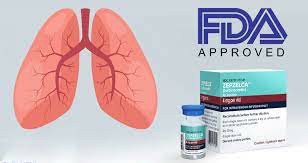
Dosage: Rubicatin is available as an intravenous infusion injection. The recommended dose of rubicatin is 3.2 mg/m2 administered as an intravenous infusion over 60 minutes every 21 days until disease progression or unacceptable toxicity. Initiate treatment with rubicatin only when the absolute neutrophil count (ANC) is at least 1,500 cells/mm3 and the platelet count is at least 100,000/mm3.
SIDE EFFECTS: Get emergency medical help if you have signs of an allergic reaction: hives; difficulty breathing; swelling of your face, lips, tongue, or throat.
Rubicatin may cause serious side effects. Call your doctor right away if you have: easy bruising, unusual bleeding, purple or red spots under the skin; low red blood cells (anemia)—pale skin, unusual tiredness, dizziness or shortness of breath, cold hands and feet; low white blood cell count—fever, mouth sores, skin sores, sore throat, cough, trouble breathing Symptoms of sepsis - Confusion, fever or chills, severe drowsiness, fast heartbeat, shortness of breath, feeling very sick; or liver problems - loss of appetite, stomach pain (upper right side), tiredness, itching, dark urine, clay-colored stools, jaundice (yellowing of the skin or eyes).
Common side effects of rubicatin may include: low blood counts; cough, difficulty breathing; nausea, vomiting, loss of appetite; increased thirst or urination; diarrhea, constipation; muscle or joint pain; feeling tired; or abnormal blood tests. This is not a complete list of side effects, and other side effects may occur, and patients should seek medical attention immediately if they experience any discomfort while using Rubicatin.
Note: Rubicardincan increase the risk of bleeding or infection, and patients need frequent medical examinations.
[ 免责声明 ] 本页面内容来自公开渠道(如FDA官网、Drugs官网、原研药厂官网等),仅供持有医疗专业资质的人员用于医学药学研究参考,不构成任何治疗建议或药品推荐。所涉药品可能未在中国大陆获批上市,不适用于中国境内销售和使用。如需治疗,请咨询正规医疗机构。本站不提供药品销售或代购服务。


