
.jpeg)
Precautions when using Anamorelin
Anamorelin (Anamorelin), as a new type of therapeutic drug, is mainly used to improve cancer cachexia in patients with malignant tumors. When using this drug, a series of precautions must be strictly followed to ensure patient safety and drug efficacy
Before using anamorelin, doctors should conduct a comprehensive assessment of the patient, including the patient's cancer type, stage, degree of cachexia, and underlying health conditions. This information helps doctors determine whether a patient is a candidate for anamorelin and the specific regimen for taking it.
Before administration, patients must be asked whether they have a history of allergic reaction to anamulin or its components. If the patient has a history of allergies, use with caution or avoid use to prevent severe allergic reactions.
Anamulin should be taken on an empty stomach. It is generally recommended that adults take it orally once a day on an empty stomach, 100 mg each time. To prevent diet from affecting the efficacy of the medicine, you should not eat within 1 hours after taking this medicine. This ensures absorption and utilization of the drug in the gastrointestinal tract.
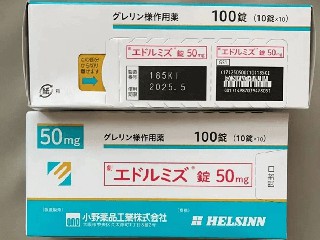
Patients should strictly follow the doctor's instructions and prescriptions for medication, and are not allowed to increase or decrease the dosage of the medication without authorization. Dosage adjustment may affect efficacy or even cause serious adverse reactions. If patients have any questions or need to adjust the dosage during medication, they should communicate with their doctor in time.
For some specific patients, such as those with underlying heart disease (such as valvular disease, cardiomyopathy, etc.), previous myocardial infarction or angina, stimulation conduction system disorders, prolonged Qt interval or past Qt interval It should be administered with caution in patients with a history of electrolyte abnormalities (such as hypokalemia, hypomagnesemia, hypocalcemia), experience with tetracyclines, mild liver function impairment (Child-Pugh classificationa), and diabetes. In these cases, patients may require closer monitoring and adjustments to their medication regimen.
Anamorelin may interact with other medications. Therefore, patients should inform their doctor about other medications they are taking while taking anamorelin, including prescription drugs, over-the-counter drugs, and supplements. This can help doctors assess the risk of drug interactions and take appropriate steps to avoid potential problems.
The use of anamorelin may cause some adverse effects, such as nausea, vomiting, loss of appetite, and constipation. Although these adverse effects are usually mild and most patients cope with them, close monitoring is required. If patients experience serious adverse reactions, they should stop taking the drug immediately and seek medical advice.
During the medication period, patients should undergo regular physical examinations and evaluations, including monitoring of electrocardiogram, pulse, blood pressure, electrolytes and other indicators. These inspections help to detect and solve potential problems in a timely manner and ensure the safety and effectiveness of medication.
Anamorelin, as a new cancer cachexia treatment drug, brings new treatment options to patients with malignant tumors, but a series of precautions must be strictly observed during use. Through comprehensive patient assessment, rational medication regimen formulation, and close post-medication monitoring and response, patient safety and drug efficacy can be ensured to the greatest extent.
[ 免责声明 ] 本页面内容来自公开渠道(如FDA官网、Drugs官网、原研药厂官网等),仅供持有医疗专业资质的人员用于医学药学研究参考,不构成任何治疗建议或药品推荐。所涉药品可能未在中国大陆获批上市,不适用于中国境内销售和使用。如需治疗,请咨询正规医疗机构。本站不提供药品销售或代购服务。


