
.jpeg)
What is the therapeutic effect of Anamorelin Hydrochloride?
Anamorelin hydrochloride, as a drug for the treatment of cancer cachexia, has received widespread clinical application and attention in recent years. Cachexia is a common complication in cancer patients, manifested by weight loss, muscle atrophy, and loss of appetite, which seriously affects patients' quality of life and tolerance of anticancer treatments. Anamorelin hydrochloride helps patients improve these symptoms by specifically activating receptors in the appetite regulation center and increasing appetite.
One of the main functions of Anamorelin Hydrochloride is to increase the patient's appetite by stimulating the appetite center. In multiple clinical studies, patients treated with anamorelin hydrochloride generally experienced a significant increase in appetite. This increase is not only reflected in the increase in food intake, but more importantly, patients begin to actively seek food, and their interest and desire for food are significantly enhanced.
In addition to improving appetite, anamulin hydrochloride can also help patients gradually gain weight. Due to increased appetite, patients are able to consume more nutrients, which aids in weight recovery and muscle mass gain. In some clinical trials, patients using anamorelin hydrochloride experienced significant weight gain during treatment, which is crucial for improving the patient's nutritional status and physical status.
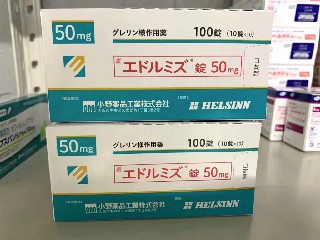
Patients with cancer cachexia often feel depressed and powerless due to loss of appetite, weight loss, and physical weakness. By improving these symptoms, Anamorelin Hydrochloride not only improves patients' physiological health, but more importantly, significantly improves their quality of life. After using Anamorelin Hydrochloride, patients generally report that their mental status has improved and they are better able to participate in daily activities and social interactions, which has a positive impact on their recovery process.
Anamorelin hydrochloride can also reduce the adverse effects of cachexia on the prognosis and survival rate of cancer patients. By improving patients' nutritional status and physical status, anamulin hydrochloride helps patients better tolerate anti-cancer treatments, thereby improving treatment effects and survival rates.
In clinical trials, anamorelin hydrochloride demonstrated good safety and tolerability. Although some patients may experience mild adverse reactions, such as nausea, vomiting, or diarrhea, these symptoms are usually reversible and can be effectively controlled under the guidance of a doctor.
It is important to note that the therapeutic effects of anamorelin hydrochloride may vary depending on individual patient differences. Therefore, it is necessary to closely monitor the patient's response during use and adjust the dosage and time according to the patient's specific conditions to ensure the safety and effectiveness of the drug.
A number of clinical studies have provided strong support for the therapeutic effect of anamulin hydrochloride. For example, in a study of patients with lung cancer, patients in the anamorelin hydrochloride treatment group experienced significant improvements in appetite and weight without significant adverse effects. Another study on patients with gastric cancer also showed that patients using anamulin hydrochloride had significantly better appetite and weight improvements than those in the placebo control group.
[ 免责声明 ] 本页面内容来自公开渠道(如FDA官网、Drugs官网、原研药厂官网等),仅供持有医疗专业资质的人员用于医学药学研究参考,不构成任何治疗建议或药品推荐。所涉药品可能未在中国大陆获批上市,不适用于中国境内销售和使用。如需治疗,请咨询正规医疗机构。本站不提供药品销售或代购服务。


