
.jpeg)
What is the cure rate of nilotinib/nilotinib for chronic myelitis
The clinical cure rate of nilotinib (also known as nilotinib) for chronic myelogenous leukemia (CML) is a complex and important topic.
Nilotinib, as a second-generation tyrosine kinase inhibitor, plays an important role in the treatment of chronic myelogenous leukemia. It blocks the proliferation signals of leukemia cells by specifically inhibiting the tyrosine kinase activity of the BCR-ABL fusion protein. Multiple clinical studies have shown that nilotinib has achieved significant efficacy in the treatment of chronic myeloid arthritis.
Specifically speaking, the clinical cure rate is the result of a combination of multiple factors. According to publicly released information, the cure rate of using tyrosine kinase inhibitors such as nilotinib to treat chronic myelitis is approximately 25%. This means that about a quarter of patients will be able to achieve complete remission or long-term stabilization of their disease after treatment with nilotinib. Although this number is not particularly high, considering that CML is a refractory leukemia, this cure rate is relatively impressive.
The study also shows that about50% of patients can achieve deep remission after treatment with nilotinib, that is, their condition is significantly controlled and improved. In addition, the five-year overall survival rate of patients is as high as 90%, which further proves the long-term efficacy of nilotinib in chronic granuloma treatment.
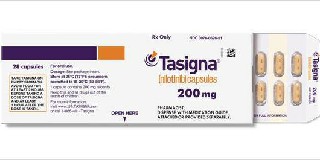
However, it needs to be clear that the cure rate of nilotinib is not fixed. The patient's age, physical condition, genetic mutation, etc. will all affect the efficacy of the drug. For example, patients who are younger and in good health may respond better to treatment. Patients who are caught early and start treatment tend to have higher cure rates. As the disease progresses, the difficulty of treatment will increase accordingly.
A reasonable treatment plan can be adjusted according to the specific situation of the patient, thereby improving the cure rate. This includes things like the dose of the drug, how often it is used, and how it is used in combination with other drugs. Whether the patient takes medication strictly in accordance with the doctor's instructions and whether the patient undergoes regular examinations will also affect the treatment effect and cure rate.
In the treatment of CML, in addition to tyrosine kinase inhibitors such as nilotinib, there are other treatments such as bone marrow transplantation. Bone marrow transplantation may have a higher cure rate in some cases, especially in patients who are younger and financially able. However, bone marrow transplantation also comes with higher risks and complications, such as infection, bleeding, etc.
In contrast, tyrosine kinase inhibitors such as nilotinib have the advantages of ease of use, relatively minor side effects, and can be tolerated by most patients. Therefore, in practical applications, nilotinib remains an important treatment option.
While discussing the cure rate, we cannot ignore the safety and side effects of nilotinib. Although nilotinib is well tolerated by most patients, some adverse reactions may still occur, such as rash, diarrhea, nausea, etc. A small number of patients may also experience more serious side effects, such as abnormal liver function and electrolyte imbalance. Therefore, when using nilotinib treatment, the patient's response needs to be closely monitored and the treatment plan adjusted in a timely manner according to the situation.
[ 免责声明 ] 本页面内容来自公开渠道(如FDA官网、Drugs官网、原研药厂官网等),仅供持有医疗专业资质的人员用于医学药学研究参考,不构成任何治疗建议或药品推荐。所涉药品可能未在中国大陆获批上市,不适用于中国境内销售和使用。如需治疗,请咨询正规医疗机构。本站不提供药品销售或代购服务。


