
.jpeg)
Analysis of ensidipine resistance problems and countermeasures
Enasidenib, as a targeted drug for relapsed or refractory acute myeloid leukemia (AML) carrying IDH2 mutations, has shown significant clinical therapeutic effects. However, as treatment progresses, some patients may encounter drug resistance. This article aims to deeply explore the resistance mechanism of ensidipine and propose corresponding treatment and prevention strategies.
1. Analysis of drug resistance mechanisms
1.Gene mutation: AML cells may escape the inhibitory effect of ensidipine through gene mutation. These mutations may change the structure of the IDH2 target, thereby reducing the drug effect.
2.Adjustment of cell signaling pathways: Abnormal activation of signaling pathways such as PI3K/AKT and MAPK may make AML cells resistant to ensidipine.
3.Abnormal transcriptional regulation: Abnormal expression or functional changes of transcriptional regulatory factors may also affect the sensitivity of cells to ensidipine.
2. Drug resistance response strategies
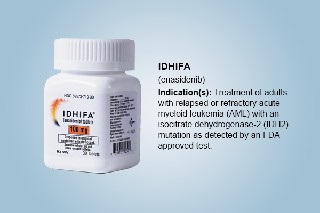
1.Adjust the treatment plan: In the face of drug resistance, doctors may consider replacing or combining other drugs to improve the therapeutic effect. For example, combined use of other targeted drugs or chemotherapy drugs.
2.Participate in new drug trials: Drug-resistant patients may consider participating in clinical trials of new drugs to explore more treatment possibilities.
3. Precision medicine: Tailor-made treatment plans for patients through in-depth analysis of the patient’s pathological, molecular and genomic characteristics.
4.Comprehensive supportive treatment: including blood transfusion, anti-infection and other supportive measures, aiming to relieve patients’ symptoms and improve their quality of life.
3. Drug Resistance Prevention Methods
1.Continuous monitoring: Regularly monitor the gene mutation status of AML cells, and promptly detect and respond to changes that may lead to drug resistance.
2.Precision treatment: Develop a personalized treatment plan based on the patient's specific condition to improve efficacy and reduce the risk of drug resistance.
3.Rational use of drugs: avoid overuse or abuse of drugs to reduce the possibility of drug resistance.
4. Clinical experience sharing
In actual clinical applications, we found that some patients may develop drug resistance in the early stages of using ensidipine. Therefore, we emphasize the need to closely monitor the patient's response during treatment and flexibly adjust the treatment plan according to the actual situation. For patients who have developed drug resistance, we pay more attention to careful observation of the condition and timely adjustment of the plan, in order to extend the patient's survival and improve their quality of life.
Ensidipine resistance is a concern that may affect the outcome of treatment for AML patients. By deeply understanding the mechanisms of drug resistance and taking corresponding treatment and preventive measures, we can effectively improve treatment efficiency and bring better clinical outcomes to patients. In this process, the doctor's individualized treatment plan and the patient's active participation are key factors.
[ 免责声明 ] 本页面内容来自公开渠道(如FDA官网、Drugs官网、原研药厂官网等),仅供持有医疗专业资质的人员用于医学药学研究参考,不构成任何治疗建议或药品推荐。所涉药品可能未在中国大陆获批上市,不适用于中国境内销售和使用。如需治疗,请咨询正规医疗机构。本站不提供药品销售或代购服务。


