
.jpeg)
What kind of drug is Rubicatin and what diseases is it used to treat?
Lubicatin, also known asLurbinectedin or Zepzelca, is an innovative anti-cancer drug mainly used to treat adult patients with metastatic small cell lung cancer (SCLC) disease progression after platinum-based chemotherapy. It belongs to a special class of drugs with a unique mechanism of action.
First of all, Rubicatin can bind to guanine residues in the minor groove of DNA to form specific adducts, leading to changes in the DNA helical structure. This change not only affects the activity of DNA-binding proteins, such as certain transcription factors and DNA repair pathways, but also leads to cell cycle disorders and ultimately induces tumor cell apoptosis.
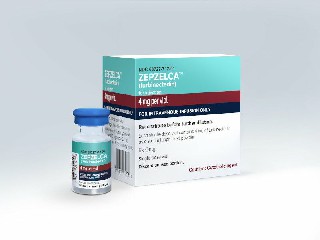
In clinical practice, rubicatin has demonstrated significant efficacy. Especially in a key clinical trial, for SCLC patients whose disease progressed after platinum-based chemotherapy, the overall response rate (ORR) of rubicatin reached 35.2%, the median progression-free survival (PFS) was 3.9 months, and the median overall survival (OS) was 9.3 months. These results indicate that rubicatin can provide SCLC patients with an effective treatment option and extend their survival.
It is worth mentioning that rubicatin has undergone a strict approval process before being launched on the market, including approval by the U.S. Food and Drug Administration (FDA). The U.S. FDA officially approved the marketing of rubicatin in June 2020 for the treatment of metastatic small cell lung cancer that progresses during or after platinum-containing chemotherapy. This approval further demonstrates the safety and efficacy of rubicatin in the treatment of SCLC.
In summary, rubicatin is an innovative anti-cancer drug for small cell lung cancer that provides patients with an effective treatment option through its unique mechanism of action.
[ 免责声明 ] 本页面内容来自公开渠道(如FDA官网、Drugs官网、原研药厂官网等),仅供持有医疗专业资质的人员用于医学药学研究参考,不构成任何治疗建议或药品推荐。所涉药品可能未在中国大陆获批上市,不适用于中国境内销售和使用。如需治疗,请咨询正规医疗机构。本站不提供药品销售或代购服务。


