
.jpeg)
What is nilotinib/nilotinib and what is its clinical efficacy?
Nilotinib, also known as nilotinib, is an anti-tumor drug mainly used to treat chronic myelogenous leukemia (CML) that is resistant to Gleevec (imatinib).
Nilotinib is a gray-white solid chemical with a molecular formula of CHF₃N₇O and a molecular weight of 529.51600. It is derived from the improved molecular structure of imatinib and is more selective for BCR-ABL kinase activity. Nilotinib can highly bind to the ATP binding site in BCR-ABL, thereby inhibiting cell proliferation and achieving the effect of treating chronic myelogenous leukemia.
Nilotinib is a second-generation BCR-ABL specific inhibitor of tyrosine kinase. Compared with imatinib, nilotinib has a stronger inhibitory effect on BCR-ABL tyrosine kinase, up to 30 times more powerful. It can more effectively inhibit the production of cancer cells containing abnormal chromosomes, thereby controlling the progression of the disease.
In addition to specific mutations such as T315I, nilotinib can inhibit other BCR/ABL mutations that are resistant to imatinib. This gives nilotinib a significant advantage in treating patients who have developed resistance to imatinib.
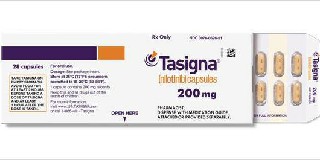
In clinical trials, after treatment with nilotinib, 42% of Gleevec-resistant chronic-phase Philadelphia chromosome-positive (Ph+) CML patients had a reduction or disappearance of abnormal chromosomes. This shows that nilotinib can achieve efficient and rapid control of the disease and may help patients achieve better long-term prognosis.
Compared with imatinib, nilotinib can achieve early molecular response earlier and faster. This means that after patients receive nilotinib treatment, the levels of disease markers can be reduced to lower levels more quickly, thus indicating better treatment effects.
Based on a key evaluation of the Phase II clinical study design, the clinical trials of nilotinib oral formulations in patients who were resistant to imatinib mesylate or had obvious slow and accelerated phases of toxicity during treatment with Ph+CML showed that nilotinib has a high efficacy rate, good tolerability, and manageable safety. This shows that nilotinib has good safety and tolerability in the treatment of CML.
The recommended dosage and regimen of nilotinib will be adjusted based on the patient’s specific conditions. In clinical trials, after CML patients were treated with nilotinib, their plasma concentrations reached steady state after 8 days of continuous administration. In addition, nilotinib is mainly excreted through feces, and more than 90% of the drug is excreted from the body within 7 days, of which 69% is the original drug. This information helps doctors develop more appropriate medication regimens for patients.
Nilotinib, a tyrosine kinase inhibitor against chronic myelogenous leukemia, has shown significant clinical efficacy. Its strong inhibitory effect on BCR-ABL tyrosine kinase, ability to inhibit drug-resistant mutations, and good safety and tolerability make nilotinib one of the important drugs for the treatment of CML.
It is important to note that each patient's specific situation and response may vary. Therefore, patients should follow their doctor's instructions and pay close attention to their response when using nilotinib.
[ 免责声明 ] 本页面内容来自公开渠道(如FDA官网、Drugs官网、原研药厂官网等),仅供持有医疗专业资质的人员用于医学药学研究参考,不构成任何治疗建议或药品推荐。所涉药品可能未在中国大陆获批上市,不适用于中国境内销售和使用。如需治疗,请咨询正规医疗机构。本站不提供药品销售或代购服务。


