
.jpeg)
Efficacy and potential adverse reactions of ensidipine in the treatment of AML
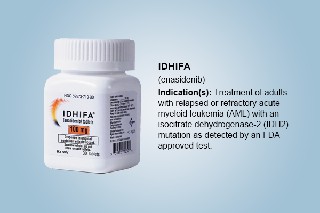
Ensidipine, also known asEnasidenib, is a targeted therapy drug that has attracted much attention in recent years, specifically used to treat patients with isocitrate dehydrogenase2(IDH2) patients with relapsed or refractory acute myeloid leukemia (AML). Through its unique mechanism of action, this drug brings new therapeutic hope to this special patient group. However, like other drugs, ensidipine may cause some adverse reactions during use.
First, let’s take a deeper look at the therapeutic effects of ensidipine:
1.FightingIDH2mutations: As an inhibitor ofIDH2, ensidipine can precisely target the abnormal enzymes in AML patients with IDH2 mutations, effectively reducing their activity. This effect can reduce the accumulation of harmful 2-hydroxyglutarate (2-HG) in the body, thereby helping to restore the normal metabolic pathways of cells, breaking the survival balance of leukemia cells, and prompting them to undergo apoptosis faster.
2.Significant improvement of clinical symptoms: It has been verified by clinical trials that ensidipine can not only reduce the level of 2-HG in patients, but also reduce the interference of AML cells on the normal hematopoietic mechanism, thereby effectively alleviating clinical symptoms such as anemia and bleeding.
3.Significantly prolongs progression-free survival: Compared with traditional placebo, AML patients treated with ensidipine can obviously maintain stable disease for a longer period of time, which undoubtedly provides these patients with more treatment time and survival opportunities.
However, the use of ensidipine may also be associated with some adverse reactions:
1.Digestive system discomfort: After taking ensidipine, some patients may experience symptoms such as nausea, vomiting, diarrhea, or abdominal pain. Although these symptoms are mild or moderate in most cases, they may still have a certain impact on the patient's daily diet and life. To alleviate these symptoms, patients can try to adjust their diet or increase nutritional supplements.
2.Changes in liver function: Some patients may experience an increase in liver function indicators or jaundice after taking ensidipine. Therefore, doctors will closely monitor patients' liver function while they are taking the medication to ensure that problems are detected and intervened in a timely manner.
3.Electrolyte imbalance: Using this drug may also cause abnormalities in electrolytes such as potassium, sodium, and magnesium in the body, which may cause arrhythmias, muscle cramps and other symptoms, posing potential threats to the patient's heart and nervous system.
4.Other adverse reactions: In addition to the above reactions, patients may also experience symptoms such as fatigue, headache, and drop in blood pressure. At the same time, ensidipine may also have a suppressive effect on bone marrow, leading to a decrease in the number of white blood cells or anemia.
Although ensidipine may cause some adverse reactions, it is important to note that most of these reactions can be controlled and reversed. As long as the patient uses the medicine under the guidance of the doctor and reports any discomfort in a timely manner, the doctor can make adjustments according to the situation to ensure that the patient gets the best treatment effect while protecting his quality of life.
[ 免责声明 ] 本页面内容来自公开渠道(如FDA官网、Drugs官网、原研药厂官网等),仅供持有医疗专业资质的人员用于医学药学研究参考,不构成任何治疗建议或药品推荐。所涉药品可能未在中国大陆获批上市,不适用于中国境内销售和使用。如需治疗,请咨询正规医疗机构。本站不提供药品销售或代购服务。


