
.jpeg)
What are the possible side effects of linezolid?
Linezolid is an antibiotic widely used to treat Gram-positive bacterial infections, such as skin and soft tissue infections, pneumonia, and sepsis. Although it is effective, it may also be accompanied by a series of side effects during use. The following is a detailed analysis of its possible adverse reactions:
Common side effects include:
1.Digestive system discomfort: After taking linezolid, some patients may experience symptoms such as nausea, vomiting, diarrhea, and abdominal discomfort or pain. Although these symptoms are common, they vary in severity and may have a certain impact on the patient's daily life.
2.Nervous system reactions: Headache and dizziness are common nervous system side effects. In addition, a rare number of patients may develop peripheral neuropathy, manifesting as paresthesia or pain.
3.Changes in the blood system: The use of linezolid may cause mild anemia, which is usually due to a certain inhibitory effect of the drug on hematopoietic function. Additionally, although rare, the drug may cause a decrease in platelets, which increases the risk of bleeding.
4.Metabolic and nutritional problems: In rare cases, especially with long-term use or high doses, linezolid may cause lactic acidosis. At the same time, a small number of patients may experience elevated blood sugar.
5.Other reactions: Symptoms such as skin rash or itching, general malaise or mild fever may occasionally occur.
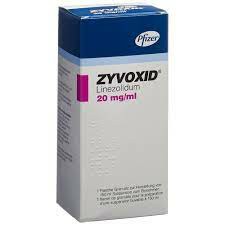
Rare but serious side effects include:
1.Visual impairment: Long-term use of linezolid may cause optic neuropathy, resulting in a decrease or change in vision.
2.Neuropsychiatric problems: Rarely, patients may experience severe paresthesia or pain as a sign of peripheral neuropathy. In addition, medications may cause changes in mental status such as anxiety, insomnia, or mood swings.
3.Myelosuppression: Linezolid has an inhibitory effect on the hematopoietic function of the bone marrow, which may lead to serious problems such as thrombocytopenia and anemia.
Things that require special attention include:
1.Long-term use of linezolid may increase the risk of adverse reactions to the nervous system and visual system, so caution and regular examinations are required.
2.For certain groups of people, such as the elderly, people with impaired liver or kidney function, and immunosuppressed patients, you need to be more careful when using linezolid and conduct regular monitoring according to your doctor's recommendations.
Overall, linezolid plays an important role in treating infections as an effective antibiotic. However, patients and medical staff should pay close attention to possible adverse reactions during use and take timely measures to reduce adverse effects on patients' health. At the same time, following your doctor's recommendations and prescriptions is key to ensuring safe and effective medication use.
[ 免责声明 ] 本页面内容来自公开渠道(如FDA官网、Drugs官网、原研药厂官网等),仅供持有医疗专业资质的人员用于医学药学研究参考,不构成任何治疗建议或药品推荐。所涉药品可能未在中国大陆获批上市,不适用于中国境内销售和使用。如需治疗,请咨询正规医疗机构。本站不提供药品销售或代购服务。


