
.jpeg)
What diseases does Rubicatin treat?
Rubicatine, as a cutting-edge therapeutic drug, has recently attracted widespread attention in the field of treatment of small cell lung cancer (SCLC). Small cell lung cancer is a type of cancer that progresses rapidly and is highly malignant. Most patients are already in advanced stages when diagnosed, making treatment extremely complicated. However, rubicatin brings new treatment opportunities to these patients.
Rubicatin offers a new treatment strategy for patients with metastatic small cell lung cancer whose disease continues to worsen despite platinum-based chemotherapy. Its unique mechanism of action can interfere with the DNA function of cancer cells, thereby curbing their growth and spread, and providing patients with longer survival and higher quality of life.
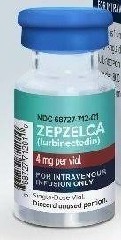
Not only that, rubicatin has shown significant synergistic effects when combined with other anti-cancer drugs, such as irinotecan. This combination therapy can greatly improve the treatment effect and give patients a more significant survival advantage.
Of course, any medication needs to be used with caution. Before deciding to use rubicatin, doctors will thoroughly evaluate the patient's overall health to ensure that they are suitable for treatment with the drug. At the same time, patients should also pay close attention to their body reactions during medication and promptly report any discomfort or abnormalities to the doctor to ensure that the treatment process is both safe and effective.
In short, rubicatin provides a new treatment path for patients with small cell lung cancer who have failed to respond to traditional treatments. With the deepening of future research, we hope that Rubicatin will be effective in more cancer types and bring more hope and vitality to patients.
[ 免责声明 ] 本页面内容来自公开渠道(如FDA官网、Drugs官网、原研药厂官网等),仅供持有医疗专业资质的人员用于医学药学研究参考,不构成任何治疗建议或药品推荐。所涉药品可能未在中国大陆获批上市,不适用于中国境内销售和使用。如需治疗,请咨询正规医疗机构。本站不提供药品销售或代购服务。


