
.jpeg)
What are the side effects of obeticholic acid on pregnant women?
Obeticholic acid is an FXR agonist that can be used in combination with ursodeoxycholic acid (UDCA) to effectively treat adult patients with primary cholangitis (PBC) who are not responsive to UDCA, or as monotherapy for adults who cannot tolerate UDCA. When obeticholic acidactivatesFXR1, it takesursodeoxycholic acid therapy to the next level, so it can also be used as monotherapy in patients who cannot tolerate UDCA
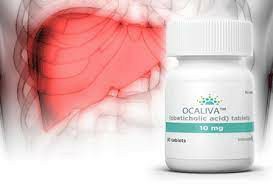
The limited available human data on the use of obeticholic acid during pregnancy are insufficient to describe drug-related risks. In animal reproduction studies, when obeticholic acid was administered to pregnant rats or rabbits during organogenesis, exposures were approximately 13 times and 6 times the human exposure, respectively, and the maximum recommended human dose (MRHD) was 10 mg; in one product In prenatal and postnatal development studies, obeticholic acid was administered to rats at doses of 5, 25, and 40 mg/kg/day from organogenesis to lactation. There were no effects on pregnancy, parturition, or postnatal development at any dose (the 40 mg/kg/day dose was approximately 21 times the human MRHD exposure).
There is no information on the presence of bile acids in breast milk, the effects on breastfed infants, or the effects on milk production. The developmental and health benefits of breastfeeding should be considered, as well as the mother's clinical need for obeticholic acid, and any potential adverse effects on the breastfed infant from obeticholic acid or underlying maternal disease. If the mother requires continued treatment with obeticholic acid and this medication is critical to her health, she may need to temporarily discontinue breastfeeding or consider alternative feeding methods to reduce potential risks,
Overall, pregnant women should consult and discuss with a medical professional before using obeticholic acid to fully assess the need for treatment and possible risks. Current data are insufficient to fully confirm the safety of obeticholic acid in human fetuses or breast-fed infants, so use during pregnancy and lactation should be done with caution.
[ 免责声明 ] 本页面内容来自公开渠道(如FDA官网、Drugs官网、原研药厂官网等),仅供持有医疗专业资质的人员用于医学药学研究参考,不构成任何治疗建议或药品推荐。所涉药品可能未在中国大陆获批上市,不适用于中国境内销售和使用。如需治疗,请咨询正规医疗机构。本站不提供药品销售或代购服务。


