
.jpeg)
Trametinib use restrictions and guidance for high-risk groups
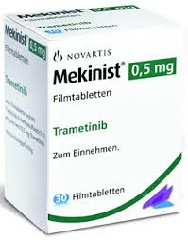
Trametinib (trametinib), as an important anti-cancer targeted drug, has been widely used in the treatment of various cancers. However, this drug is not suitable for everyone, and certain groups of people need to be particularly cautious when using it. This article will delve into the contraindications of trametinib and who should use it with caution.
1. Taboos on use
Patients who are allergic to the components of trametinib are strictly prohibited from using this drug. Allergic reactions may include rash, difficulty breathing, body swelling, etc., and in severe cases may be life-threatening.
2. Use with caution
1. Patients with lung disease: Patients with a history of interstitial pneumonia or pulmonary fibrosis, or new unexplained pulmonary symptoms (such as dyspnea, cough, fever) should use this drug with caution. If interstitial lung disease (ILD) is diagnosed, the drug should be discontinued immediately and permanently.
2. Heart disease patients: Trametinib may cause cardiomyopathy, including heart failure. All patients should undergo a cardiovascular evaluation, including echocardiography, before use. If left ventricular ejection fraction (LVEF) significantly decreases after taking the drug, the drug should be suspended.
3. Patients with gastrointestinal disease: This drug may cause colitis and gastrointestinal perforation. Patients with gastrointestinal complications should receive special care and close monitoring during treatment.
4. Patients with bleeding tendency: Trametinib may increase the risk of bleeding events. For all grade 4 bleeding events, the medication should be discontinued immediately; for grade 3 bleeding events, the medication should be suspended until symptoms improve, and then the dose should be reduced and resumed.
5. Patients with hepatic and renal impairment: There are currently no pharmacokinetic data on the use of trametinib in patients with moderate or severe hepatic and renal impairment, so these patients should be closely monitored.
6. Patients with diabetes: Trametinib may cause hyperglycemia. Serum glucose levels should be monitored at the beginning of treatment, and patients with preexisting diabetes or hyperglycemia should be monitored regularly based on clinical circumstances.
7. Patients at risk for venous thromboembolism: Trametinib may cause venous thromboembolism. For life-threatening pulmonary embolism, the drug should be permanently discontinued; for uncomplicated deep vein thrombosis and pulmonary embolism, treatment should be suspended, and after the condition improves, treatment should be resumed at a reduced dose according to clinical indications.
3. Special precautions
In women who may be pregnant, trametinib may have adverse effects on the fetus. Therefore, effective contraceptive measures should be taken during medication and for at least4 months after discontinuation of medication. If you become pregnant, you should consult your doctor immediately. Likewise, male patients should use contraceptive measures to prevent their sexual partners from becoming pregnant during treatment and for at least 4 months after discontinuation of treatment. In addition, breastfeeding should be avoided during medication and for at least 4 months after discontinuation of medication.
In summary, understanding the contraindications of trametinib and those who should use it with caution is crucial to ensuring patient safety. Doctors and patients should pay attention to this information together and develop appropriate treatment plans based on the patient's specific condition.
[ 免责声明 ] 本页面内容来自公开渠道(如FDA官网、Drugs官网、原研药厂官网等),仅供持有医疗专业资质的人员用于医学药学研究参考,不构成任何治疗建议或药品推荐。所涉药品可能未在中国大陆获批上市,不适用于中国境内销售和使用。如需治疗,请咨询正规医疗机构。本站不提供药品销售或代购服务。


