
.jpeg)
The efficacy of obeticholic acid in the treatment of liver fibrosis
Final findings from the obeticholic acid phase regeneration study in precirrhotic fibrosis due to non-alcoholic steatohepatitis (NASH) highlight a trend toward beneficial clinical outcomes with farnesoid X receptor agonists. Submitted data showed that patients receiving obeticholic acid 25 mg had reduced histological progression to cirrhosis, while patients receiving obeticholic acid 10 mg had ≥1 grade improvement in fibrosis, further underscoring the absence of new safety concerns beyond 2 years of additional exposure.
Although obeticholic acid is expected to become the first NASH treatment drug approved by the U.S. Food and Drug Administration (FDA) , some places have announced the final end-of-study results of a multi-center, randomized, double-blind, placebo-controlled study. Patients with biopsy-proven fibrosis (F2-F3) were randomly assigned in a 1:1:1 ratio to receive placebo, obeticholic acid 10 mg, or obeticholic acid 25 mg. The primary endpoint was time to first predetermined clinical outcome, including progression to cirrhosis. Secondary endpoints included histological improvement from the last biopsy measured using Nash CRN scoring criteria and consensus reading by 3 pathologists.
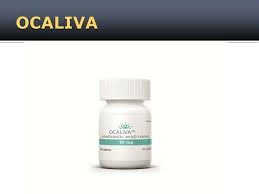
The investigators noted that baseline demographic and clinical characteristics were balanced across treatment groups. Efficacy was evaluated in the intention-to-treat population, including2187 patients. 18.8%, 15.8%, and 14.7% of patients received placebo, obeticholic acid 10 mg, and obeticholic acid 25 mg, respectively. Compared with placebo, the hazard ratio was 0.814 in the obeticholic acid 10 mg group and 0.772 in the obeticholic acid 25 mg group, the researchers noted, because fewer patients who received obeticholic acid progressed to cirrhosis.
Additionally, patients who received obeticholic acid experienced greater fibrosis improvement compared with placebo, with 27.0%, 37.1%, and 39.3% of patients receiving placebo, 10 mg of obeticholic acid, and 25 mg of obeticholic acid achieving ≥1 grade of fibrosis improvement, respectively. Investigators observed fibrosis worsening by grade ≥1 in 23.5% of patients who received placebo, 19.3% of patients who received obeticholic acid 10 mg, and 18.5% of patients who received obeticholic acid 25 mg.
Treatment-emergent adverse events, serious treatment-emergent adverse events, and deaths were similar between groups. The researchers noted that, consistent with the 18-month analysis, the frequency of pruritus and gallbladder- and gallstone-related treatment-emergent adverse events was higher in the obeticholic acid 25 mg group than in the placebo or obeticholic acid 10 mg group.
[ 免责声明 ] 本页面内容来自公开渠道(如FDA官网、Drugs官网、原研药厂官网等),仅供持有医疗专业资质的人员用于医学药学研究参考,不构成任何治疗建议或药品推荐。所涉药品可能未在中国大陆获批上市,不适用于中国境内销售和使用。如需治疗,请咨询正规医疗机构。本站不提供药品销售或代购服务。


