
.jpeg)
What to do if your skin itches after taking obeticholic acid
Primary cholangitis (PBC) is a chronic autoimmune cholestatic liver disease affecting the intrahepatic bile ducts. If not properly treated, primary cholangitis can lead to cholestasis and end-stage liver disease, which may require transplantation. Therefore, timely treatment is crucial to patient health. Itching is a common symptom in patients with primary cholangitis and may be worsened by medication.
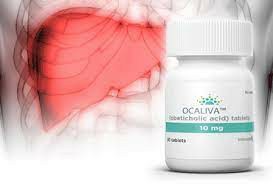
Obeticholic acid showed sustained efficacy and safety at 48 months, and effectively improved the liver biochemical parameters of PBC. Pruritus associated with obeticholic acid treatment is dose-dependent and generally controllable, and clinical studies have shown that when itch is effectively controlled, treatment interruptions can be minimized. In addition, the use of obeticholic acid to treat primary cholangitis can lead to increased pruritus severity in some patients, increase patient discomfort, reduce patient quality of life (QoL), and potentially affect patient compliance with obeticholic acid therapy.
1. Try antihistamines: People with primary cholangitis can try over-the-counter antihistamines such as diphenhydramine (Benadryl) to help relieve itching. Antihistamines help relieve itching by blocking histamine, an immune-reactive chemical that causes the itch response. They may also block receptors for two immune proteins, interleukin (IL)-13 and IL-4, that directly trigger the need to scratch. The sedating effects of antihistamines may provide some type of relief.
2. Consult bile acid resins: Because the accumulation of bile acids in the skin may cause itching in primary cholangitis, your doctor may use drugs called bile acid resins to treat the associated itching. Bile acid resins can help with itching by reducing the levels of bile acids in the body and skin. Although there are several bile acid resins available, the only approved treatment for pruritus in primary cholangitis is cholestyramine.
3. Try other medications to treat disease-related itching
(1) Opioid antagonists: PBC-related itch may be related to changes in opioid activity in the brain; activation of opioid receptors involved in the itch pathway is increased in PBC patients. The effects of two opioid antagonists, specifically naloxone and naltrexone, on PBC-related pruritus were studied. Two small studies found that naltrexone was effective in reducing itching in patients with PBC. Naloxone has also been shown to help improve symptoms in people with PBC. These treatments are effective, but the drawback is that they may cause opioid withdrawal reactions, including hypertension, abdominal pain, and neuropsychiatric symptoms.
(2) Rifampicin: Rifampin, together with opioid antagonists, is considered a second-line drug after bile acid resins for the treatment of PBC-related pruritus. Rifampicin is an antibiotic that activates receptors and helps reduce the activation of itching in the body. There are some side effects, like gastrointestinal symptoms and dark urine. Your doctor will monitor liver enzymes to make sure taking this treatment is not damaging your liver.
[ 免责声明 ] 本页面内容来自公开渠道(如FDA官网、Drugs官网、原研药厂官网等),仅供持有医疗专业资质的人员用于医学药学研究参考,不构成任何治疗建议或药品推荐。所涉药品可能未在中国大陆获批上市,不适用于中国境内销售和使用。如需治疗,请咨询正规医疗机构。本站不提供药品销售或代购服务。


