
.jpeg)
How should I stop taking Mitotane?
Mitotane (Mitotane) is a drug used to treat adrenocortical cancer and is usually taken long-term to inhibit tumor growth and prevent recurrence. However, stopping medication is not a simple process and needs to be carried out under the guidance of a doctor.
Discontinuation of medication should be carried out strictly in accordance with the doctor's instructions. Mitotane is a strong medicine and sudden discontinuation may cause serious reactions or worsen your condition. Therefore, before considering discontinuing medication, patients must have a detailed discussion with their attending physician to understand the necessity and possible risks of discontinuing medication. The doctor will formulate a scientific discontinuation plan based on the patient's specific situation, including treatment response, disease progression, and physical condition.
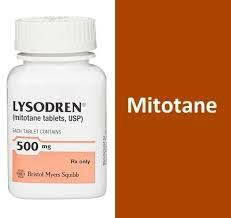
Mitotane is usually discontinued by gradually reducing the dose rather than stopping it suddenly. This method can help the body gradually adapt to changes in drug concentration and reduce adverse reactions caused by drug withdrawal. The specific dose reduction schedule should be determined by the doctor based on the individual patient's condition, usually reducing the dose every few weeks. Patients should strictly follow the doctor's instructions and do not change the tapering speed or dose without authorization.
Patients require close monitoring and follow-up during dose reduction and discontinuation. This includes regular blood tests, imaging tests, and clinical evaluations to monitor changes in the tumor and the body's response. The doctor will adjust the dosage reduction plan based on the examination results to ensure the safety and effectiveness of the drug withdrawal process. If relapse or other serious adverse reactions occur during discontinuation of medication, the doctor may recommend readjustment of the treatment plan.
Some side effects may occur during the withdrawal of Mitotane , such as fatigue, gastrointestinal discomfort, mood swings, etc. Patients should pay attention to these symptoms and report them to their doctor promptly. Your doctor may provide supportive care and advice to help ease discomfort during withdrawal. For example, appropriate nutritional supplements, psychological support, and symptomatic treatment can help patients get through the withdrawal period more smoothly.
Even after successful discontinuation, patients require long-term follow-up. Adrenocortical cancer is a disease that is prone to recurrence, and regular follow-up examinations can help detect and manage recurrences early. The frequency and content of follow-up visits are determined by the doctor based on the patient's specific circumstances and usually include blood tests and imaging tests every few months.
[ 免责声明 ] 本页面内容来自公开渠道(如FDA官网、Drugs官网、原研药厂官网等),仅供持有医疗专业资质的人员用于医学药学研究参考,不构成任何治疗建议或药品推荐。所涉药品可能未在中国大陆获批上市,不适用于中国境内销售和使用。如需治疗,请咨询正规医疗机构。本站不提供药品销售或代购服务。


