
.jpeg)
Clinical effect of semaglutide tablets in the treatment of type 2 diabetes
The U.S. Food and Drug Administration (FDA) approved Rybelsus (semaglutide) oral tablets on September 20, 2019, for use in conjunction with diet and exercise to improve glycemic control in adults with type 2 diabetes. Semaglutide is the first glucagon-like peptide (GLP-1) receptor protein treatment approved in the United States that does not require an injection. GLP-1 drugs are non-insulin treatments for people with type 2 diabetes.
Prior to this approval, patients had no oral GLP1 option to treat type 2 diabetes, and now patients will have a new option to treat type 2 diabetes without injections.
Type 2 diabetes, the most common form of diabetes, occurs when the pancreas cannot produce enough insulin to keep blood sugar at normal levels. GLP-1 is a normal hormone in the body, but insufficient levels are often found in people with type 2 diabetes. Like GLP-1, semaglutide tablets slow digestion, prevent the liver from producing too much sugar, and help the pancreas produce more insulin when needed.
Semaglutide tablets reduce blood sugar The efficacy and safety of semaglutide tablets in reducing blood sugar in patients with type 2 diabetes were studied in multiple clinical trials, two of which were placebo-controlled and several of which compared other GLP-1 injection treatments. Semaglutide tablets have been studied as a stand-alone therapy and in combination with other diabetes therapies, including metformin, sulfonylureas (insulin secretagogues), sodium-glucose cotransporter 2 (SGLT-2) inhibitors, insulin, and thiazolidinediones, all of which are used in patients with type 2 diabetes.
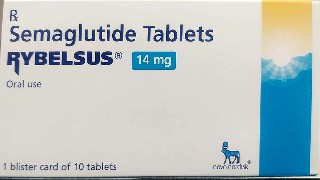
In placebo-controlled studies, semaglutide tablets as stand-alone therapy resulted in a significant reduction in blood sugar (hemoglobin A1c) compared to placebo, as determined by the HbA1c test (which measures average blood sugar levels over a period of time). After 26 weeks, 69% of patients taking the 7 mg daily semaglutide tablet and 77% of those taking the 14 mg daily semaglutide tablet had their HbA1c reduced to less than 7%, compared with 31% of patients taking placebo.
The prescribing information for Semaglutide Tablets includes a black box warning to alert attending physicians and patients of the potential increased risk of C-cell tumors of the thyroid gland Semaglutide Tablets are not recommended as the first choice drug for the treatment of diabetes. It is recommended that patients who have had medullary thyroid cancer (MTC) or have a family member who has had MTC not use semaglutide. Additionally, patients who have had a history of an endocrine disorder called multiple endocrine neoplasia type 2 (MEN 2) are advised not to use semaglutide tablets. Semaglutide tablets are not suitable for patients with type 1 diabetes and diabetic ketoacidosis.
Semaglutide tablets also carry warnings about pancreatitis (inflammation of the pancreas), diabetic retinopathy (damage to the retina of the eye), hypoglycemia, acute kidney injury, and allergic reactions. It is unclear whether semaglutide can be used in patients with pancreatitis. The risk of hypoglycemia is increased when semaglutide is used in combination with sulfonylureas or insulin.
Semaglutide tablets should be taken at least 30 minutes before the first food, drink, or other oral medication of the day with no more than 4 ounces of water. Semaglutide can slow digestion, so patients should discuss other medications they are taking with their primary care provider before starting semaglutide. The most common side effects are nausea, diarrhea, vomiting, decreased appetite, indigestion, and constipation.
Semaglutide tablets have just been approved for marketing in China this year. Since this drug has just been launched in China, it may be difficult for domestic patients to purchase this drug. We can first take a look at the semaglutide tablets marketed overseas. The original research version of oral semaglutide marketed overseas is 3mg*100 tablets and the price is around 2,000 yuan. There are more specifications of oral semaglutide available overseas. For more specific questions about oral semaglutide, please consult a regular overseas medical consultant.
[ 免责声明 ] 本页面内容来自公开渠道(如FDA官网、Drugs官网、原研药厂官网等),仅供持有医疗专业资质的人员用于医学药学研究参考,不构成任何治疗建议或药品推荐。所涉药品可能未在中国大陆获批上市,不适用于中国境内销售和使用。如需治疗,请咨询正规医疗机构。本站不提供药品销售或代购服务。


