
.jpeg)
When is the best time to take cycloserine?
Cycloserine (Cycloserine) is an antibiotic used to treat multidrug-resistant tuberculosis (MDR-TB). To ensure optimal effectiveness, patients need to follow some key medication guidelines. Below are recommendations on when and how to take cycloserine.
Cycloserine is generally recommended to be taken at the same time each day to maintain a stable concentration of the drug in the body. This ensures that the drug continues to be effective in inhibiting the growth of Mycobacterium tuberculosis and reduces the risk of drug resistance. Patients should choose a time that is easy to remember, such as morning or evening, and insist on taking the medication at the same time every day.
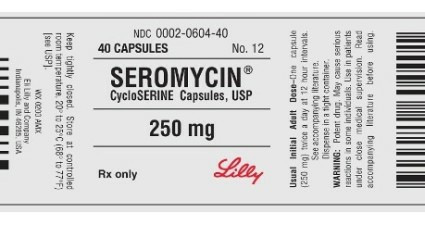
Cycloserine can be taken with or on an empty stomach. Although food has little effect on the absorption of cycloserine, some patients may experience stomach discomfort, such as nausea or stomach pain, when taking the drug on an empty stomach. In order to reduce these uncomfortable symptoms, it is recommended that patients take cycloserine after meals, especially within 30 minutes after eating, which can reduce gastrointestinal discomfort.
Use enough water when taking the medicine to ensure that the medicine passes smoothly through the esophagus and into the stomach. This aids absorption of the medication and reduces the risk of esophageal irritation. It is generally recommended to take cycloserine with a full glass of water (approximately 240ml).
The dosage and frequency of cycloserine should be adjusted strictly in accordance with the doctor's instructions. Doctors will determine the appropriate dosage and frequency of medication based on the patient's specific circumstances, such as age, weight, severity of illness, and other health conditions. Typically, cycloserine is taken twice a day, approximately 12 hours apart. Patients should avoid adjusting the dosage or changing the medication time on their own to avoid affecting the therapeutic effect.
Patients should return for regular check-ups while taking cycloserine and follow the doctor's follow-up schedule. Regular blood tests and other monitoring methods can help doctors evaluate the effectiveness of treatments and detect potential adverse effects. If patients experience any discomfort or concerns while taking the medication, they should report it to their doctor in time so that necessary adjustments and treatments can be made.
[ 免责声明 ] 本页面内容来自公开渠道(如FDA官网、Drugs官网、原研药厂官网等),仅供持有医疗专业资质的人员用于医学药学研究参考,不构成任何治疗建议或药品推荐。所涉药品可能未在中国大陆获批上市,不适用于中国境内销售和使用。如需治疗,请咨询正规医疗机构。本站不提供药品销售或代购服务。


