
.jpeg)
Detailed explanation of key precautions for molotinib
Momelotinib (Momelotinib), as an innovative drug, has shown remarkable results in the treatment of patients with myelofibrosis and anemia. However, like other drugs, there are some key things to pay attention to when using molotinib to ensure the drug's effectiveness and patient safety. The following is a detailed explanation of the key things to pay attention to when using molotinib:
1. Medication methods and dosage:
Molotinib is usually recommended to be taken once daily, and the dosage should be determined based on the doctor's advice and the patient's specific condition.
The medication should be taken with food or on an empty stomach, but the tablet should be swallowed whole and not cut, crushed, or chewed.
2. Regular inspection and monitoring:
Before starting molotinib, your doctor will conduct a thorough evaluation, including medical history, physical examination, and relevant laboratory tests, to ensure that the patient is suitable for the drug.
During treatment, patients need to undergo regular blood tests, especially monitoring changes in blood counts and other indicators, so that the treatment plan can be adjusted in a timely manner.
3. Contraindications and adverse reactions:
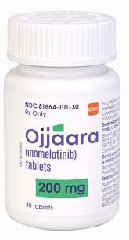
You should avoid taking this medicine if you have an allergic reaction to molotinib or any of the inactive ingredients in the tablets. If obvious allergic symptoms occur during use, please stop taking the medicine immediately and seek medical help.
Patients should understand and pay close attention to the possible side effects of molotinib, such as nausea, vomiting, diarrhea, fatigue, etc., and report them to their doctor in a timely manner. If serious adverse reactions occur, such as infection, arrhythmia, bleeding tendency, etc., you should seek medical treatment immediately.
4. Drug interactions:
While taking molotinib, patients should inform their doctors about other medications they are taking to avoid potential drug interactions that could affect the efficacy of molotinib or increase the risk of adverse reactions.
5. Medication considerations for specific groups of people:
Taking molotinib may increase your risk of life-threatening medical problems such as serious infection, heart attack or stroke, blood clots, and cancer. Therefore, it is important to tell your doctor if you: have a weak immune system or have a chronic infection (such as tuberculosis, shingles, HIV, or hepatitis B); have had or currently have any type of cancer; have chronic lung disease, heart problems, have had a heart attack, stroke, or blood clots; have liver disease; have a history of smoking; or plan to get vaccinated. These conditions may affect your adaptability and treatment options for molotinib.
6. Use in pregnant and lactating women:
Molotinib may have adverse effects on the fetus. Therefore, you should use effective contraception during treatment and for one week after stopping the drug. If you suspect that you are pregnant or become pregnant during treatment, please inform your doctor promptly. At the same time, breastfeeding should be avoided while taking molotinib and for one week after stopping the drug. It is recommended to communicate with your doctor during this period to discuss the most suitable feeding method for your baby.
To sum up, although molotinib provides a new option for the treatment of certain diseases, it is necessary to strictly abide by the doctor's instructions and pay close attention to the physical condition during use. Through rational medication use and regular monitoring, the efficacy of drugs can be maximized while ensuring patient safety.
[ 免责声明 ] 本页面内容来自公开渠道(如FDA官网、Drugs官网、原研药厂官网等),仅供持有医疗专业资质的人员用于医学药学研究参考,不构成任何治疗建议或药品推荐。所涉药品可能未在中国大陆获批上市,不适用于中国境内销售和使用。如需治疗,请咨询正规医疗机构。本站不提供药品销售或代购服务。


