
.jpeg)
Can sparsentin treat uremia?
Sparsentan (Sparsentan), as a new drug, has attracted much attention in the field of renal disease treatment in recent years. Sparsentane, an endothelin-angiotensin dual blocker, protects renal function primarily by reducing urinary protein. In clinical trials, spaxantane has shown significant efficacy. For example, in clinical trials for IgA nephropathy, the drug reduced urinary protein by 49.8%, which was more significant than the control drug irbesartan's 15.1%. This data strongly supports the positive role of sparsentane in the treatment of kidney disease.
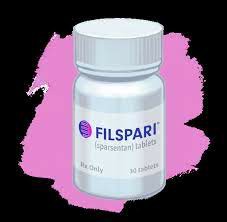
Uremia, as a condition of severe renal failure, is extremely difficult to treat. Currently, there is no direct clinical research evidence that sparsentane can treat patients who have developed uremia. However, the excellent effect of sparsentane in the treatment of pre-renal disease allows us to see its possibility of preventing or delaying the occurrence of uremia.
In a long-term study of patients with FSGS, patients treated with sparsentan demonstrated a higher rate of complete response. After long-term follow-up, the urinary protein in some patients has dropped to a significant level, and some patients have even reached the standard of clinical cure, that is, the urinary protein has dropped below 0.3g. The results of this study suggest that sparsentane may delay or prevent the progression to uremia in the early stages of kidney disease.
Although sparsentan has not yet been directly proven to treat uremia, its significant effectiveness in reducing urinary protein and protecting renal function suggests that it may play an important role in the pre- or early stages of uremia. By reducing the production of urinary protein, sparsentane is expected to help patients delay further deterioration of kidney function, thereby avoiding or delaying the onset of uremia.
[ 免责声明 ] 本页面内容来自公开渠道(如FDA官网、Drugs官网、原研药厂官网等),仅供持有医疗专业资质的人员用于医学药学研究参考,不构成任何治疗建议或药品推荐。所涉药品可能未在中国大陆获批上市,不适用于中国境内销售和使用。如需治疗,请咨询正规医疗机构。本站不提供药品销售或代购服务。


