
.jpeg)
Cycloserine in the treatment of tuberculosis: in-depth analysis of efficacy, applications and prospects
Cycloserine (Cycloserine), as a key anti-tuberculosis drug, has shown excellent results in the treatment of multi-drug-resistant tuberculosis (MDR-TB). This article will deeply explore the effect of cycloserine in the treatment of tuberculosis, including its mechanism of action, support from clinical experimental data, and specific application in treatment options.
1. The unique mechanism of action of cycloserine
Cycloserine competitively inhibits two key enzymes in the bacterial cell wall synthesis process-alanine lysinase and D-alanine-D-alanine synthase, thereby interfering with the synthesis of peptidoglycan and effectively inhibiting the growth and reproduction of bacteria. This unique mechanism of action makes it a powerful weapon against drug-resistant tuberculosis bacteria.
2. Strong support from clinical trial data
1.Positive results of early clinical studies: Early clinical studies have confirmed that cycloserine has a good therapeutic effect on tuberculosis. Since its first clinical application in 1952, research has found that cycloserine has shown a high bacterial-negative conversion rate in the early stages of treatment, significantly reducing the number of Mycobacterium tuberculosis in patients, laying a solid foundation for its subsequent widespread application.
2.Remarkable efficacy in multi-drug-resistant tuberculosis: As multi-drug-resistant tuberculosis becomes increasingly serious, the importance of cycloserine has become increasingly prominent. Multiple studies have shown that cycloserine is significantly effective in the treatment of MDR-TB. A clinical study involving multiple countries showed that the cure rate of patients who added cycloserine to the combined treatment regimen was as high as 60%-70%, which was significantly better than the control group that did not use cycloserine, fully proving the key role of cycloserine in controlling MDR-TB.
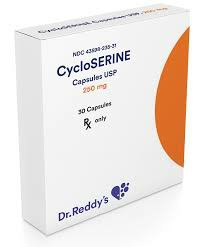
3.Consideration of drug resistance and side effects: Although cycloserine has shown significant efficacy in the treatment of tuberculosis, its drug resistance and side effects are also the focus of clinical attention. Long-term use of cycloserine may lead to bacterial resistance, so it is often used in combination with other anti-tuberculosis drugs to reduce the risk of resistance. At the same time, side effects of cycloserine, such as neurological symptoms, also require close monitoring and management.
4.Further verification in modern clinical trials: In recent years, more clinical trials have continued to verify the efficacy and safety of cycloserine. For example, a randomized controlled trial conducted in India showed that the treatment success rate of the cycloserine group was significantly higher than that of the control group, and the time to bacterial negative conversion was significantly shortened in patients. These data further solidify the important role of cycloserine in the treatment of MDR-TB.
3. Wide application of cycloserine in treatment options
1.Strategy of combination therapy: Cycloserine is usually used as part of a combination therapy regimen with other anti-tuberculosis drugs (such as pyrazinamide, ethambutol, etc.). This combined treatment strategy not only improves the efficacy, but also effectively reduces the occurrence of drug resistance. Studies have shown that combined use of cycloserine can significantly improve the cure rate of MDR-TB patients and reduce the risk of recurrence.
2.Refined management of dosage and treatment duration: The recommended dose of cycloserine is usually 500-1000mg per day, taken in two divided doses. Specific dosage needs to be adjusted based on the patient's weight, age and severity of illness. The standard treatment course is usually 18-24 months, but the actual treatment course needs to be flexibly adjusted based on individual treatment response and tolerance. Standardized medication and appropriate course management play a vital role in improving treatment effects.
In summary, cycloserine, as an important member of anti-tuberculosis drugs, has shown significant efficacy in the treatment of tuberculosis, especially multi-drug-resistant tuberculosis. A large amount of clinical experimental data supports its application in combined treatment regimens, which significantly improves the cure rate and quality of life of patients. However, the side effects and drug resistance issues of cycloserine still require close attention and management. Looking to the future, as more research is conducted, the application prospects of cycloserine will be broader, and it is expected that its role in anti-tuberculosis treatment can be further improved and optimized.
[ 免责声明 ] 本页面内容来自公开渠道(如FDA官网、Drugs官网、原研药厂官网等),仅供持有医疗专业资质的人员用于医学药学研究参考,不构成任何治疗建议或药品推荐。所涉药品可能未在中国大陆获批上市,不适用于中国境内销售和使用。如需治疗,请咨询正规医疗机构。本站不提供药品销售或代购服务。


