
.jpeg)
Fenelidone: the difference between new non-steroidal MRAs and traditional hormonal drugs
Finerenone (Finerenone), as a new generation of non-steroidal selective mineralocorticoid receptor antagonists (MRA), has become a way to treat kidney and heart problems related to type 2 diabetes. Although it is classified as a hormonal drug, fenelidone differs from hormonal drugs in the traditional sense.
The role of aldosterone needs to be explored first. Aldosterone, an endogenous hormone mainly secreted by the adrenal glands, is a type of steroid hormone. It plays a key role in regulating electrolyte balance, water and salt metabolism, and maintaining blood pressure in the body. Mineralocorticoid receptors, as targets of hormones such as aldosterone, are critical for maintaining the stability of these physiological functions. However, when these receptors are overactivated, a series of pathological changes may be triggered, such as the exacerbation of chronic kidney disease and cardiovascular damage.
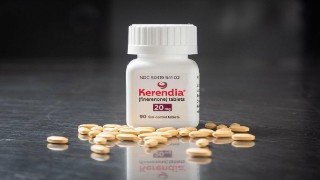
Finelidone is unique in that it does not directly mimic or supplement any hormone in the body. Instead, it works by antagonizing specific receptors, unlike traditional hormone drugs. Fenelinone exhibits higher selectivity compared with spironolactone and has stronger mineralocorticoid receptor binding capacity compared with classic steroidal MRAs such as eplerenone.
Of note, fenelinone has no affinity for androgen, progesterone, estrogen, and glucocorticoid receptors. This means it does not trigger the unwanted side effects associated with these hormones. Nonetheless, fenelinone may cause some adverse effects, such as hyperkalemia, dizziness, hypotension, and gastrointestinal discomfort. Fortunately, the incidence of these adverse effects is usually low and can be controlled with appropriate management.
[ 免责声明 ] 本页面内容来自公开渠道(如FDA官网、Drugs官网、原研药厂官网等),仅供持有医疗专业资质的人员用于医学药学研究参考,不构成任何治疗建议或药品推荐。所涉药品可能未在中国大陆获批上市,不适用于中国境内销售和使用。如需治疗,请咨询正规医疗机构。本站不提供药品销售或代购服务。


