
.jpeg)
Resistance to osimertinib targeted drugs is most common after several years of use
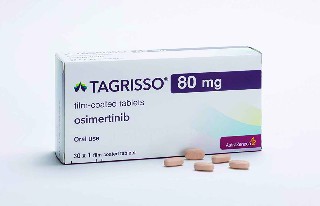
Osimertinib (Tagrisso) is a targeted drug that belongs to the third generation of EGFR tyrosine kinase inhibitors. It is often used to treat non-small cell lung cancer with EGFR-sensitive mutations, especially lung adenocarcinoma. The emergence of this drug has brought new treatment opportunities and hope to many lung cancer patients. However, like all drugs, osimertinib also faces the problem of drug resistance.
There is not a fixed time frame for how long it takes for osimertinib to be most commonly taken before resistance develops. According to clinical research data, the resistance time to osimertinib is usually around 1.5 years, which is about 18 months. This data mainly comes from the first-line treatment situation, when patients may develop drug resistance due to disease progression. Specifically, in global phase III clinical studies of osimertinib, disease progression usually occurs around 18.9 months. However, this is only an average and actual conditions will vary due to individual differences.
Some patients may be more sensitive to osimertinib and have better treatment effects, but their resistance time may be prolonged. On the contrary, some patients may have shortened resistance time due to various reasons, such as mutations in other genes or changes in tumor pathological types. In addition, if osimertinib is used as a second-line or above treatment, the resistance time may be further shortened, usually around 8-9 months.
Of note, despite the potential for resistance to osimertinib, it remains important in the treatment of non-small cell lung cancer. For patients who develop drug resistance, doctors will adjust the treatment plan according to the specific situation, which may include replacing other targeted drugs, chemotherapy or immunotherapy.
In general, the resistance time to osimertinib is not a fixed period, but a dynamic process affected by multiple factors. Patients should pay close attention to changes in condition during medication and follow the doctor's recommendations for standardized treatment.
[ 免责声明 ] 本页面内容来自公开渠道(如FDA官网、Drugs官网、原研药厂官网等),仅供持有医疗专业资质的人员用于医学药学研究参考,不构成任何治疗建议或药品推荐。所涉药品可能未在中国大陆获批上市,不适用于中国境内销售和使用。如需治疗,请咨询正规医疗机构。本站不提供药品销售或代购服务。


