
.jpeg)
How long does it take to stop taking tucatinib?
Tucatinib (Tucatinib) is a targeted drug used to treat HER2-positive breast cancer. For patients and doctors, determining when to take and stop tucatinib is a key issue in the treatment process. Here is some important information abouttucatinib how long to take and then stop.
Assessment of treatment efficacy is an important factor in determining the timing of drug discontinuation. Doctors usually determine whether tucatinib (tucatinib) is effective through regular imaging examinations and clinical evaluations. Once it is found that the treatment effect is no longer significant, or new lesions appear, doctors may consider stopping tucatinib and evaluate other treatment options. This evaluation is usually performed every 6-12 weeks to ensure timely detection of disease progression or drug resistance.
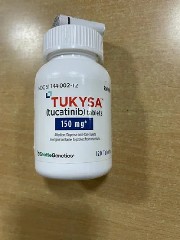
Management of side effects is also an important factor in the decision to discontinue medication. Although tucatinib has been well tolerated in clinical trials, some patients may experience serious side effects, such as diarrhea, abnormal liver function, and hand-foot syndrome. If the side effects are severe enough to affect the patient's quality of life or cannot be alleviated by adjusting the dose or other means of drug management, the doctor may recommend discontinuing the medication or switching to another treatment.
As treatment progresses, some patients may develop resistance to tucatinib . When drug resistance occurs, the efficacy of tucatinib will be significantly reduced or even completely lost. In this case, there is no practical therapeutic significance in continuing to take tucatinib (tucatinib), and doctors will usually recommend stopping the drug and switching to other treatment options, such as switching to other HER2-targeted drugs or adding a new treatment regimen. This decision is usually based on detailed resistance detection and assessment.
Each patient's situation is unique, and the timing of taking and stopping tucatinib should be determined based on an individualized treatment plan. The doctor will conduct a comprehensive assessment based on the patient's specific condition, treatment response, side effects, personal quality of life and other factors. Patients and doctors should maintain close communication and regularly discuss treatment progress and next steps to ensure that the treatment plan is optimized and personalized.
[ 免责声明 ] 本页面内容来自公开渠道(如FDA官网、Drugs官网、原研药厂官网等),仅供持有医疗专业资质的人员用于医学药学研究参考,不构成任何治疗建议或药品推荐。所涉药品可能未在中国大陆获批上市,不适用于中国境内销售和使用。如需治疗,请咨询正规医疗机构。本站不提供药品销售或代购服务。


