
.jpeg)
Duration of resistance to tucatinib
Resistance time is the time after a patient starts taking Tucatinib (Tucatinib) that the drug loses its effectiveness and the cancer progresses again. This time is different for each patient and is affected by a variety of factors, such as individual patient differences, the characteristics of the cancer, and treatment options.
In theHER2CLIMBclinical trial,tucatinib combined with trastuzumab and capecitabine showed significant efficacy, extending progression-free survival (PFS). However, even in this case, most patients develop resistance after a period of time. According to the trial results, patients had a median progression-free survival of about 7.8 months, meaning half of the patients did not experience disease progression during that time. However, this is only a median and individual resistance times may be longer or shorter.
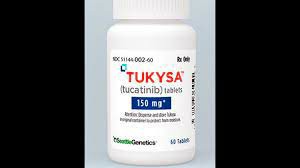
Resistance often occurs when cancer cells develop genetic mutations or other adaptive changes that allow them to evade the effects of tucatinib . For example, cancer cells may alter the structure or function ofHER2receptors or activate other alternative signaling pathways to sustain growth and division. These changes make Tucatinib unable to continue to effectively inhibit the growth of cancer cells, leading to the development of drug resistance.
In order to detect drug resistance in time, doctors will monitor changes in the patient's condition through regular imaging examinations (such as CT or MRI) and biomarker testing. Once the tumor is found to grow again or new lesions appear, it may indicate that drug resistance has emerged. Gene sequencing and other molecular testing methods can also be used to identify mechanisms of resistance and help doctors plan next steps for treatment.
When resistance to tucatinib develops, doctors often adjust the treatment plan. For example, other HER2-targeted drugs such as Pertuzumab or T-DM1 Ado-trastuzumab emtansine may be considered.), or add new treatments, such as immunotherapy or radiotherapy. In addition, participating in clinical trials may also provide patients with new treatment options. Through individualized treatment plans, doctors can try to prolong the patient's survival and improve the quality of life.
[ 免责声明 ] 本页面内容来自公开渠道(如FDA官网、Drugs官网、原研药厂官网等),仅供持有医疗专业资质的人员用于医学药学研究参考,不构成任何治疗建议或药品推荐。所涉药品可能未在中国大陆获批上市,不适用于中国境内销售和使用。如需治疗,请咨询正规医疗机构。本站不提供药品销售或代购服务。


