
.jpeg)
Does Larotinib/Larotinib treat gastritis?
Larotrectinib/Larotrectinib is a broad-spectrum targeted anti-cancer drug. Its therapeutic scope is mainly used for cancer patients carrying specific gene mutations, namely malignant tumors with neurogenic growth factor receptor (NTRK) gene fusion. Gastritis is an inflammatory disease of the gastric mucosa and is not directly related to tumors.
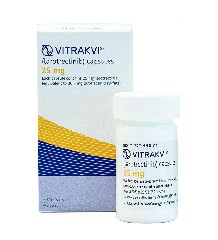
The first oral TRK inhibitor larotinib was developed for patients with tumors that have NTRK gene fusions, which often lead to abnormal tumor proliferation. TRK gene fusions are found in a variety of tumor types, including solid tumors in children and adults, as well as hematological tumors. As a drug targeting NTRK gene fusion mutations, larotrectinib mainly works by inhibiting the abnormal protein kinase activity produced by these gene fusions, thereby blocking the growth and spread of tumor cells. This drug has shown promising efficacy in clinical trials and could provide an effective treatment option for patients with tumors that carry NTRK gene fusions but do not have known acquired resistance mutations, are metastatic, or where surgical resection would result in severe morbidity and there are no satisfactory alternative treatments, or that progress after treatment.
Gastritis, as a common digestive system disease, is mainly caused by inflammation of the gastric mucosa. Its symptoms may include stomach pain, nausea, vomiting, etc. Cancer, on the other hand, is a more serious disease involving the abnormal growth and spread of cells. Gastritis is not a tumor caused by NTRK gene fusion, so the therapeutic effect of larotrectinib on gastritis is limited. The treatment of gastritis mainly includes anti-inflammatory analgesia, antacid drugs, antibiotics, etc. The specific treatment plan should be formulated according to the patient's condition and the doctor's advice.
[ 免责声明 ] 本页面内容来自公开渠道(如FDA官网、Drugs官网、原研药厂官网等),仅供持有医疗专业资质的人员用于医学药学研究参考,不构成任何治疗建议或药品推荐。所涉药品可能未在中国大陆获批上市,不适用于中国境内销售和使用。如需治疗,请咨询正规医疗机构。本站不提供药品销售或代购服务。


