
.jpeg)
Can I stop using clofazimine after four months of use?
Clofazimine (Clofazimine) is a drug mainly used to treat leprosy and was developed by the Swiss company Novartis. It is used as part of a multidrug treatment regimen for leprosy (MDT) in combination with rifampicin and dapsone to increase efficacy and prevent the development of drug resistance.
The anti-leprosy effect of clofazimine is mainly achieved by inhibiting the growth of Mycobacterium leprae. It inhibits bacterial growth and reproduction by binding to bacterial DNA and interfering with its replication and transcription processes. In addition, clofazimine also has anti-inflammatory effects and can reduce the inflammatory symptoms of patients in the reactive phase of leprosy.
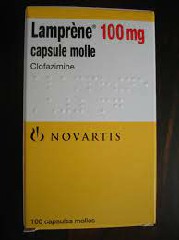
Clofazimine is generally used for a longer period of time, usually lasting several months to a year, depending on the patient's condition and the doctor's treatment plan. Treatment of leprosy is a long-term process, and four months of treatment is usually not enough to completely control the infection. According to the recommendations of the World Health Organization (WHO), the standard treatment plan for patients with multibacillary leprosy (MB leprosy) is 12 months, while paucibacillary leprosy (PB leprosy) patients’ treatment time is 6 months. Even if symptoms improve early on, stopping medication early may lead to relapse or development of drug resistance.
During the treatment process, patients should receive regular follow-up visits from their doctors to monitor disease progression and drug side effects. Common side effects include red staining of the skin and eyes, dry and flaky skin, gastrointestinal upset (such as nausea, vomiting, diarrhea). The doctor will adjust the treatment plan according to the patient's specific situation to ensure the safety and effectiveness of the treatment.
Whether clofazimine treatment can be stopped after four months must be decided by the doctor based on the patient's condition and response to treatment. Early discontinuation of medication may lead to treatment failure and disease recurrence, so patients should strictly follow the doctor's instructions and avoid adjusting or stopping treatment on their own.
[ 免责声明 ] 本页面内容来自公开渠道(如FDA官网、Drugs官网、原研药厂官网等),仅供持有医疗专业资质的人员用于医学药学研究参考,不构成任何治疗建议或药品推荐。所涉药品可能未在中国大陆获批上市,不适用于中国境内销售和使用。如需治疗,请咨询正规医疗机构。本站不提供药品销售或代购服务。


