
.jpeg)
What are the effects and side effects of crizotinib?
Crizotinib is a revolutionary targeted drug specifically targeted at patients with non-small cell lung cancer who haveALK or ROS1 gene mutations. Its unique effect lies in its ability to precisely inhibit the activity of these mutated genes, thereby effectively controlling the growth and spread of tumor cells. By blocking abnormal signaling pathways, crizotinib provides a new treatment strategy for patients with this type of lung cancer.
In clinical practice, crizotinib has shown significant anti-tumor effects, not only reducing tumor size but also alleviating lung cancer-related symptoms, such as cough and chest pain. More importantly, it can help patients extend their survival and improve their quality of life. Many patients have experienced significant improvement in their condition after receiving crizotinib treatment.
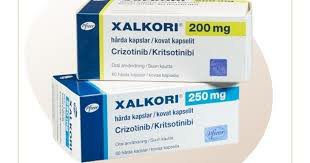
However, like many powerful drugs, crizotinib comes with some side effects. Common side effects include gastrointestinal reactions such as nausea, vomiting, and diarrhea, which usually occur early in treatment and may gradually lessen as treatment continues. In addition, some patients may experience visual abnormalities, such as blurred vision or double vision, which requires timely communication with the doctor and may require adjustment of the treatment plan. There are also some less common side effects, such as liver function abnormalities, electrocardiogram changes, etc., which need to be monitored and managed under the guidance of a doctor.
Overall, crizotinib, as a targeted therapy, has demonstrated significant efficacy in the treatment of lung cancer. Although there are some side effects, they can usually be effectively controlled with a doctor's guidance and monitoring. Crizotinib is undoubtedly an effective treatment option for suitable patients.
[ 免责声明 ] 本页面内容来自公开渠道(如FDA官网、Drugs官网、原研药厂官网等),仅供持有医疗专业资质的人员用于医学药学研究参考,不构成任何治疗建议或药品推荐。所涉药品可能未在中国大陆获批上市,不适用于中国境内销售和使用。如需治疗,请咨询正规医疗机构。本站不提供药品销售或代购服务。


