
.jpeg)
Can taking clofazimine and drinking more water alleviate darkening?
Clofazimine (Clofazimine) is an antibacterial drug used to treat leprosy and some forms of drug-resistant tuberculosis. One of its common side effects is skin pigmentation, causing the skin to darken. For many patients, darkening of the skin is not only a cosmetic problem but can also have psychological consequences. Therefore, many people hope to alleviate this side effect through various methods, and drinking more water is one of the suggestions made.
Drinking plenty of water has many health benefits, including boosting metabolism and helping to eliminate toxins from the body. However, the effect of drinking more water on clofazimine-induced skin pigmentation is limited. The pigmentation of clofazimine is due to the deposition of the drug in the skin and fatty tissue. This deposition is caused by the chemical properties of the drug and is not significantly relieved by simply increasing water intake.
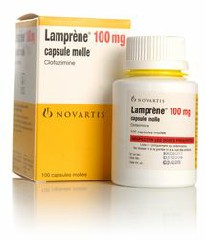
The skin darkening caused by clofazimine is mainly because the drug is lipophilic and easily accumulates in the skin and fatty tissue. Over time, these accumulated medications can cause skin pigmentation. Therefore, the key to solving this problem lies in how to reduce the deposition of drugs in the body or accelerate their metabolism, rather than just increasing the amount of water consumed.
In addition to drinking more water, other comprehensive measures may be more effective. For example, sun protection is an important step because UV rays can exacerbate pigmentation. Use high-strength sunscreen and wear protective clothing and hats to reduce sun damage to your skin. A reasonable diet is also important. Intake of foods rich in vitamins C and vitamins E can help with skin repair and hypopigmentation.
During drug treatment, regular follow-up visits and monitoring are necessary. Doctors can adjust the medication regimen according to the patient's specific conditions to reduce the side effects of the drug. If the pigmentation is severe and affects the quality of life, the doctor may recommend some medical interventions, such as the use of whitening products, laser treatment, or chemical peels. These methods need to be performed under the guidance of a professional doctor.
[ 免责声明 ] 本页面内容来自公开渠道(如FDA官网、Drugs官网、原研药厂官网等),仅供持有医疗专业资质的人员用于医学药学研究参考,不构成任何治疗建议或药品推荐。所涉药品可能未在中国大陆获批上市,不适用于中国境内销售和使用。如需治疗,请咨询正规医疗机构。本站不提供药品销售或代购服务。


