
.jpeg)
What medicine can be used instead of clofazimine?
Clofazimine (Clofazimine) has a unique role in treating leprosy and drug-resistant tuberculosis, but in some cases, patients may need to find alternative medicines. This may be due to adverse effects of clofazimine, drug supply issues, or patient intolerance to the drug. Here are several alternatives to clofazimine.
In the treatment of leprosy, clofazimine is often used in combination with rifampicin and dapsone. If an alternative to clofazimine is needed, consider modifying the treatment regimen to use only rifampicin and dapsone, the two drugs that are central to leprosy treatment. In addition, fluoroquinolones such as levofloxacin and moxifloxacin are used in some cases as alternative treatment options for leprosy, particularly in patients who experience adverse reactions to clofazimine.
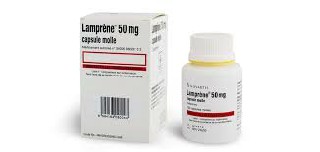
In the treatment of multidrug-resistant tuberculosis (MDR-TB), if clofazimine needs to be replaced, bedaquiline (Bedaquiline) or delamanid (Delamanid) may be considered. Both of these drugs are newer drugs that target drug-resistant TB bacteria and have potent anti-TB effects. In addition, linezolid (Linezolid) and moxifloxacin (Moxifloxacin) can also be used as alternative drugs to form new treatment options.
For extensively drug-resistant TB (XDR-TB), treatment options are more limited, but newer generation anti-tuberculosis drugs such as bedaquiline and delamanid may be considered. Meanwhile, drugs such as linezolid and moxifloxacin may also be alternatives to clofazimine. When formulating alternative treatment options, individual adjustments often need to be made based on the results of drug susceptibility testing and the patient's specific circumstances.
Alternative treatment options to clofazimine should take into account the patient's condition, drug sensitivity, and potential drug interactions. Doctors need to select appropriate drugs and develop individualized treatment plans based on specific circumstances. During the course of alternative treatments, regular monitoring of patient response and efficacy is necessary to ensure the success and safety of treatment.
[ 免责声明 ] 本页面内容来自公开渠道(如FDA官网、Drugs官网、原研药厂官网等),仅供持有医疗专业资质的人员用于医学药学研究参考,不构成任何治疗建议或药品推荐。所涉药品可能未在中国大陆获批上市,不适用于中国境内销售和使用。如需治疗,请咨询正规医疗机构。本站不提供药品销售或代购服务。


